
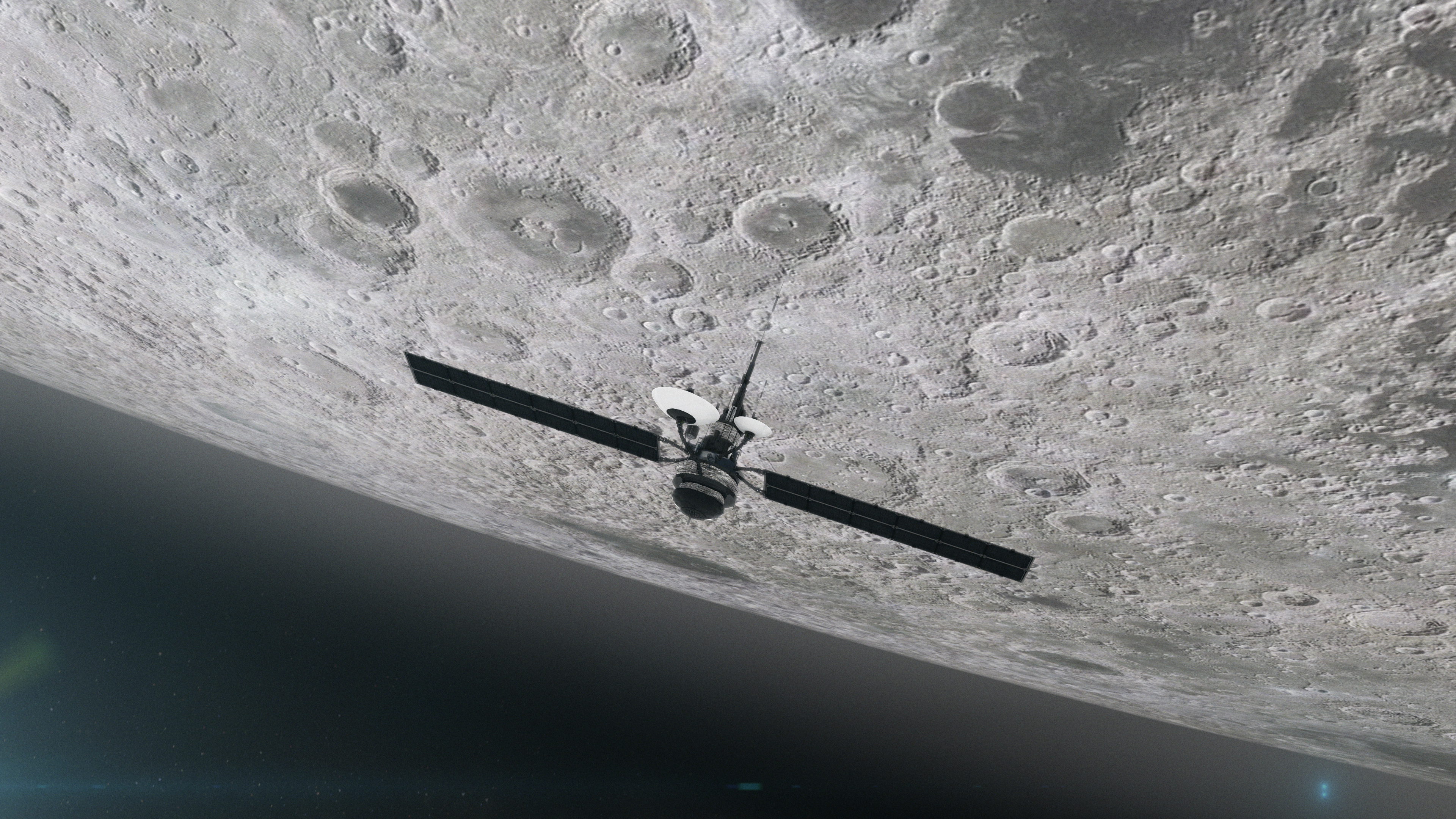
The United States Air Force is turning to the commercial technology sector to secure artificial intelligence capabilities for spacecraft operating far beyond traditional near-Earth orbits. Through a newly issued request for information, military acquisition officials are exploring ready-made software solutions designed to give cislunar vehicles advanced autonomous navigation and operational capabilities.
The push highlights a growing strategic need to manage operations in vast orbital domains where distance introduces severe communication hurdles for terrestrial operators.
Addressing Cislunar Communication Challenges
Operating outside of planetary orbit introduces a drastically larger domain volume compared to near-Earth space. According to the Air Force's request for information published on November 10, 2026, these immense distances create significant communication latencies between spacecraft and ground stations.
Because traditional ground-based command and control systems struggle to remain scalable under such delays, the service stated that standard mission planning frameworks are no longer viable on operationally relevant timelines. To overcome this, the military wants flight-ready software capable of handling complex autonomous maneuvers independently.
Requested Capabilities and Technical Focus Areas
The Air Force is asking industry partners to submit white papers outlining concepts across five primary technical domains:
- Autonomous mission planning
- Predictive analytics
- Trajectory planning
- Computer vision
- Other potential technical areas supporting cislunar operations
The targeted software must enable space vehicles to execute critical tasks such as station-keeping, trajectory optimization, and hazard avoidance when encountering objects moving outside of Earth's immediate orbit.
Rapid Delivery and Integration Timeline
Rather than funding prolonged research and development initiatives, the Air Force has emphasized a desire for immediate, market-ready solutions. The service explicitly noted it is not interested in investing in a lengthy cislunar artificial intelligence research program.
Instead, responders must demonstrate the capacity to deliver fully developed autonomy software requiring zero development and minimal training within 90 days of receiving an Authority to Proceed order. Furthermore, the selected software needs to achieve full qualification within a year and a half.
Hardware, Data, and Strategic Implications
In addition to software performance, the military's inquiry prompts industry stakeholders to detail the necessary hardware, compute, and data requirements for their algorithms. Submissions must also address any anticipated data rights considerations associated with the technology.
Responses to the request are due by December 4, 2026. Insights gathered from industry feedback are expected to shape future service requirements and could potentially guide upcoming Air Force investments in sustained architectures beyond Earth orbit.
This initiative builds upon earlier remarks made in March by Tom Ainsworth, principal deputy assistant secretary for space acquisition and integration, who indicated that leadership positions would be established to focus specifically on acquiring cislunar mission technologies.
