
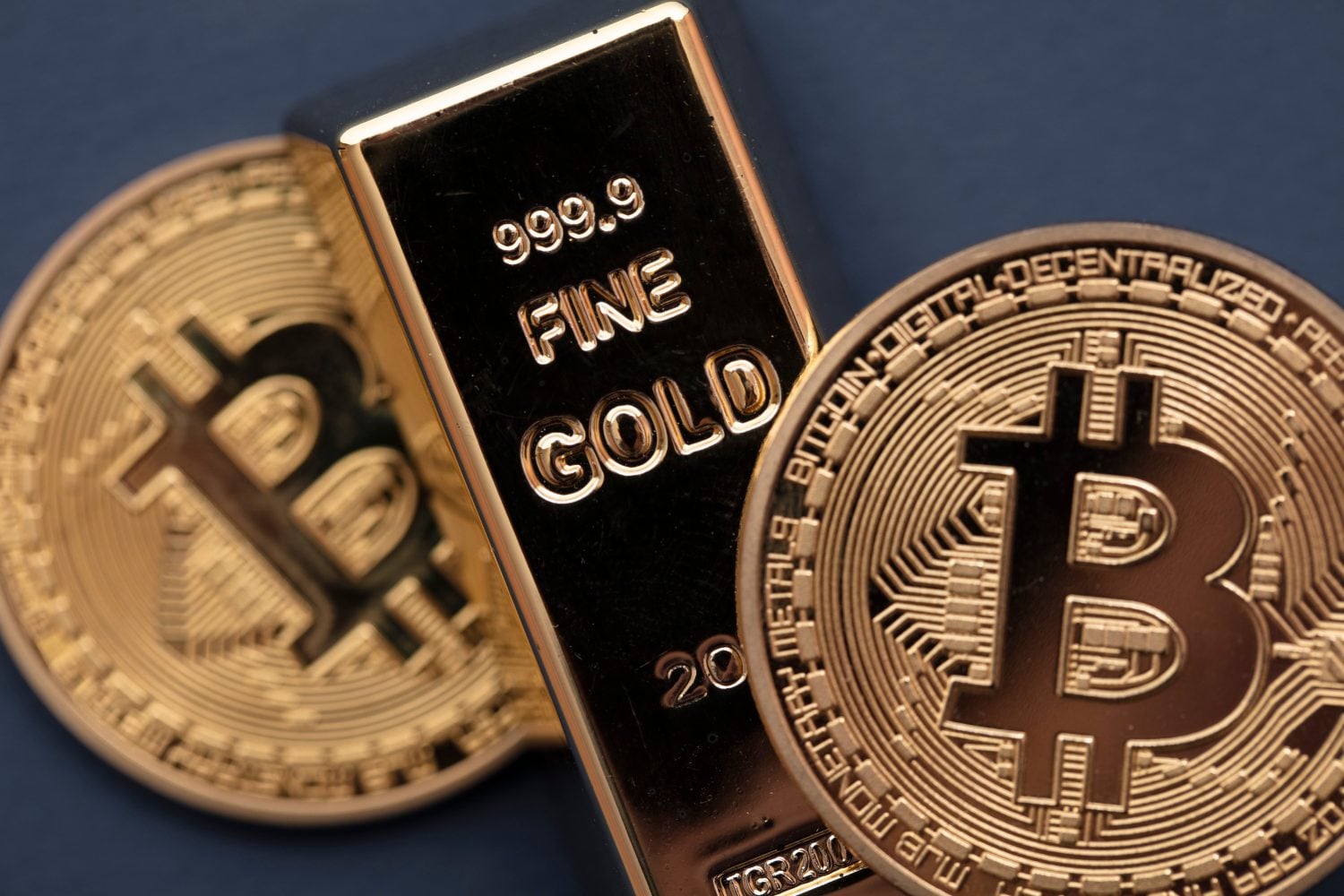
With U.S. consumer prices up 3.7% through September 2026, savers and investors are closely examining traditional and digital assets to determine which option serves as a better inflation hedge. The rising cost of living continues to outpace the Federal Reserve’s 2% target, driven by a core Consumer Price Index increase of 0.3% in September alone.
Amid these macroeconomic pressures, both Bitcoin and gold have experienced notable market stumbles in 2026, yet they present very different stories about which asset actually holds its value when inflation bites. Evaluating their performance across different horizons reveals stark contrasts in stability, volatility, and market dynamics.
Evaluating Performance and Long-Term Inflation Tracking
With U.S. prices rising 3.7% in a year, many savers want to know whether Bitcoin (CRYPTO:BTC) or gold is the better inflation hedge. This rise exceeds the Federal Reserve’s 2% target. Additionally, the core Consumer Price Index (CPI), which excludes the more volatile food and energy sectors, rose 0.3% in September alone.
Bitcoin is trading around $80,530, which is 36.1% lower than its all-time high. Over the past several years, both assets have told very different stories regarding how they handle inflationary periods.
Short-Term Volatility Versus Currency Protection
Gold and Bitcoin have both stumbled in 2026 even as consumer prices keep climbing, but the two assets tell very different stories about which one actually holds its value when inflation bites.
While Bitcoin trades around $80,530, its position remains 36.1% lower than its all-time high, illustrating the steep price swings that crypto investors face compared to traditional safe-haven assets.
Structural Market Drivers Looking Ahead
As the market continues to navigate rising consumer prices, the debate between digital and physical stores of value persists. Bitcoin offers a decentralized alternative backed by advocates who point to its long-term growth trajectory, while gold relies on centuries of established trust and steady demand.
Ultimately, whether savers lean toward Bitcoin or gold depends on their tolerance for volatility and their outlook on how currency debasement will shape the financial landscape moving forward.
