
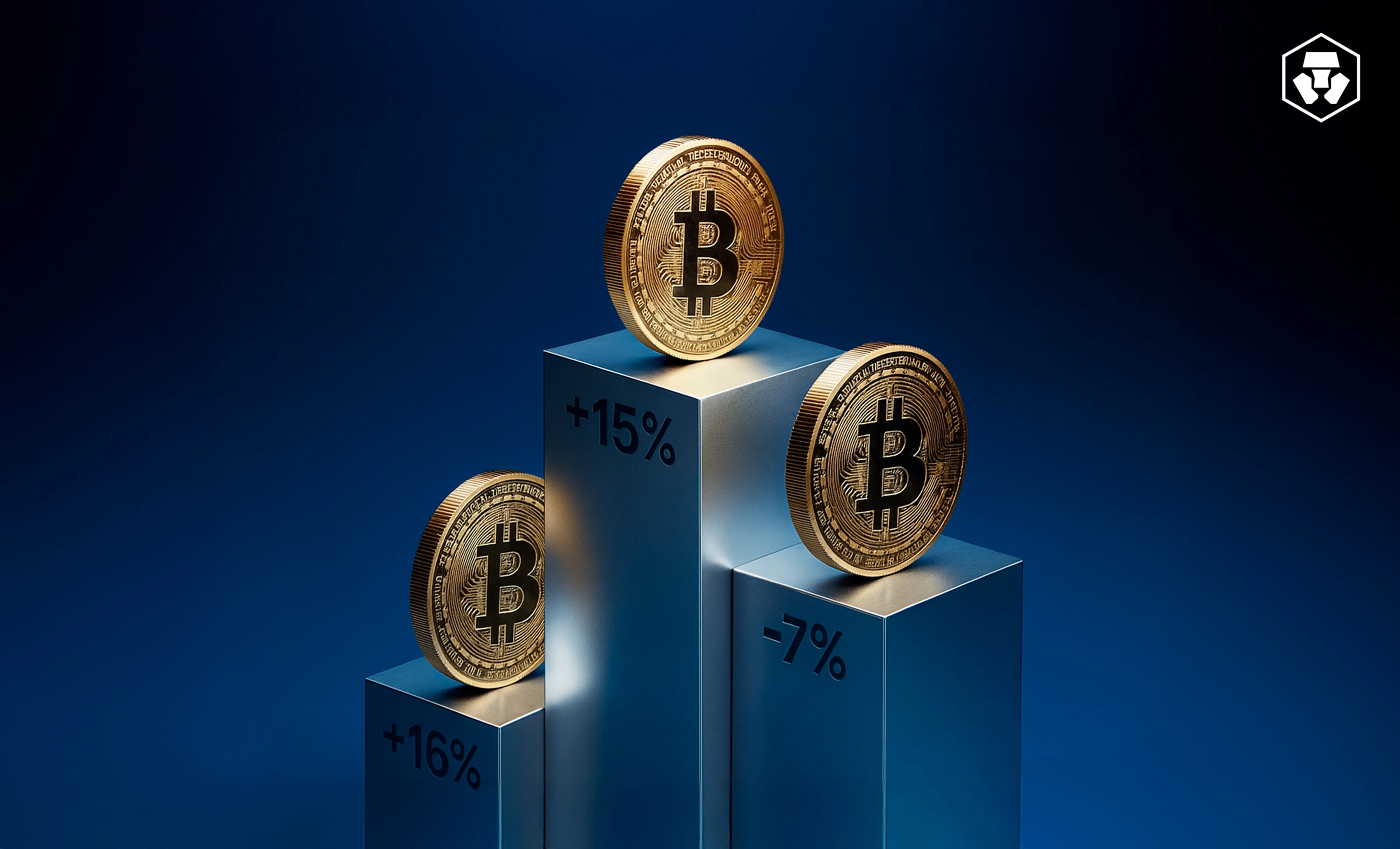
Financial market sentiment received a noticeable lift as the US Federal Reserve opted for a policy pause, accompanied by a corresponding dip in US Treasury yields. Because digital assets and broader risk instruments are closely tied to macroeconomic liquidity, shifts in central bank guidance frequently dictate near-term trading momentum.
Understanding how monetary policy interacts with digital asset valuations requires examining the mechanisms of the federal funds rate and how borrowing costs shape investor behavior across global markets.
The Mechanics of Federal Reserve Policy and Market Liquidity
The US Federal Reserve holds significant sway over global financial systems by setting the federal funds rate, which dictates overnight borrowing costs for banks and influences economic credit conditions. The Federal Open Market Committee adjusts these targets based on economic health, raising rates to cool hot inflation or cutting them to stimulate demand during downturns.
Macroeconomic shifts impact digital assets through several established channels:
- Valuation Adjustments: Much like growth-oriented technology equities, digital assets derive significant valuation from long-term expectations. Higher discount rates diminish present-day valuations.
- Liquidity Cycles: Easy-money environments foster speculation and capital inflows, whereas high interest rates restrict borrowing and dry up accessible market liquidity.
- Currency Strength: Elevated US interest rates often strengthen the US dollar, making dollar-denominated assets such as Bitcoin more expensive for international investors.
- Risk-Free Yields: When yields on conservative instruments like Treasury bills rise, investors frequently rotate out of volatile alternatives in favor of guaranteed income.
Historical Precedents: From Zero Rates to Tightening Cycles
Past central bank interventions illustrate how quickly sentiment can turn depending on policy direction. During the pandemic-era stimulus, aggressive rate cuts and quantitative easing propelled significant expansion in digital asset valuations as liquidity surged.
Conversely, when inflation surged and the Fed initiated rapid rate hikes alongside quantitative tightening, crypto markets contracted sharply. Liquidity vanished and confidence faced severe headwinds from broader macroeconomic tightening and industry-specific deleveraging events.
Subsequent pauses and anticipated pivots have historically fostered recoveries, though outcomes frequently depend on whether easing measures signal healthy disinflation or a reaction to mounting economic distress.
Interpreting Rate Pivots, Pauses, and Economic Context
Market reactions do not always follow a linear path. Because financial markets are forward-looking, traders often price in expected monetary shifts ahead of official announcements, leading to classic "buy the rumor, sell the news" behavior.
Furthermore, the context behind a rate decision matters immensely. If a policy pause or reduction is interpreted as a response to receding inflation and stabilizing financial conditions, risk appetite generally expands. However, if rate cuts are perceived as an emergency response to severe recession risks or financial instability, digital assets can sell off alongside equities as participants flee to safe-haven assets.
Ultimately, while monetary policy remains a primary driver of market liquidity and investor sentiment, digital asset valuations continue to navigate a complex interplay of internal market dynamics, regulatory developments, and broader global economic conditions.
