
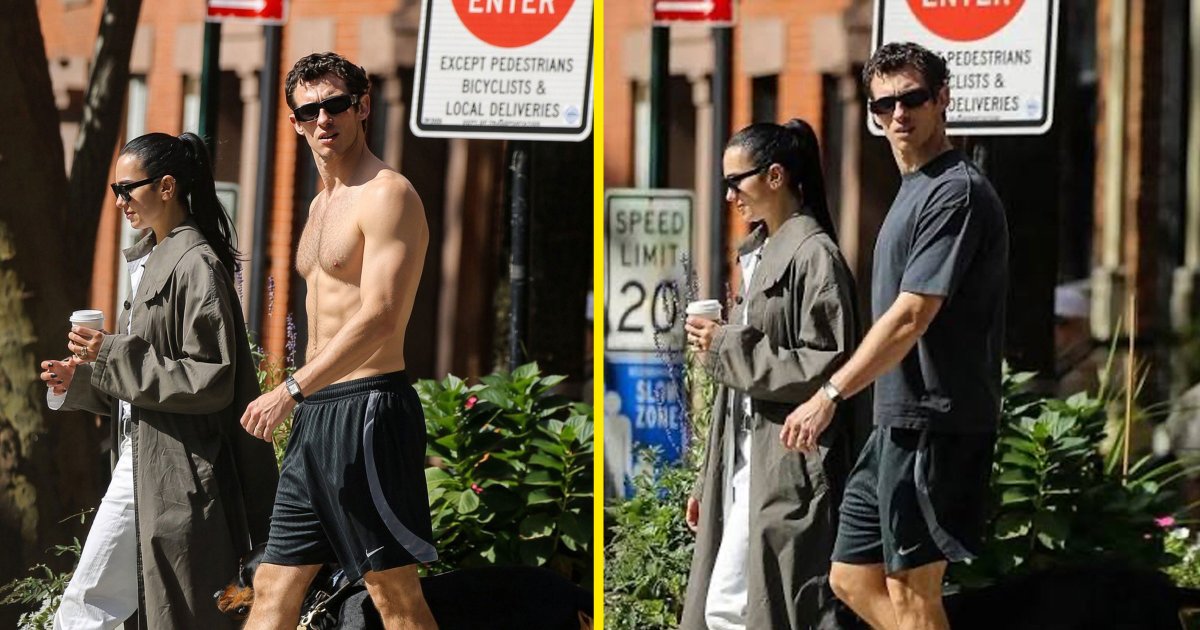
The practice relies on deception, presenting the doctored images as if they capture authentic, unaltered moments in public. Because the underlying backgrounds and settings are often taken directly from real paparazzi frames, the manipulated media can easily catch casual scrollers off guard.
How the Deception Unfolds Online
The operational playbook used by these social media accounts is straightforward yet effective for generating engagement:
- Sourcing Real Media: Culprits pull existing, published paparazzi photos of recognizable public figures walking outdoors or attending events.
- Digital Manipulation: AI tools are applied to strip away shirts, jackets, and suits, frequently rendering the subjects with exaggerated, highly toned physiques.
- Strategic Reposting: The altered files are published alongside fully clothed companions or in weather-mismatched contexts to bait users into commenting and sharing.
For example, writer Sarah Hagi highlighted how an account called "UKViewTime" shared AI-altered imagery of actor Callum Turner walking with pop star Dua Lipa in New York City. While Lipa is dressed appropriately for cooler weather in pants and long coats, Turner is digitally rendered shirtless, even though original paparazzi archives prove he was fully clothed during the outing.
Frequent Targets and Distinguishing Clues
Several high-profile figures have repeatedly surfaced as targets for this style of synthetic manipulation. Accounts go to great lengths to preserve markers of supposed authenticity; in other posts targeting pop singer Harry Styles, culprits ensured his famous tattoos remained visible on the digitally generated topless torso.
Other notable victims include young actor Noah Schnapp, Knox Jolie-Pitt, and actor Brad Pitt, who was digitally altered to wear a tight black tank top revealing artificially enhanced arms despite wearing a complete yellow suit in the real-world source photo.
Broader Implications of Synthetic Media
While the altered shots often display jarring contextual clues—such as a heavily bundled partner walking alongside a barefoot and shirtless companion—the nonconsensual nature of the deepfakes highlights a persistent challenge in online spaces. As generative editing tools become more accessible, ordinary internet users face a growing landscape of digital fabrications designed entirely to manipulate public attention and engagement metrics.
