
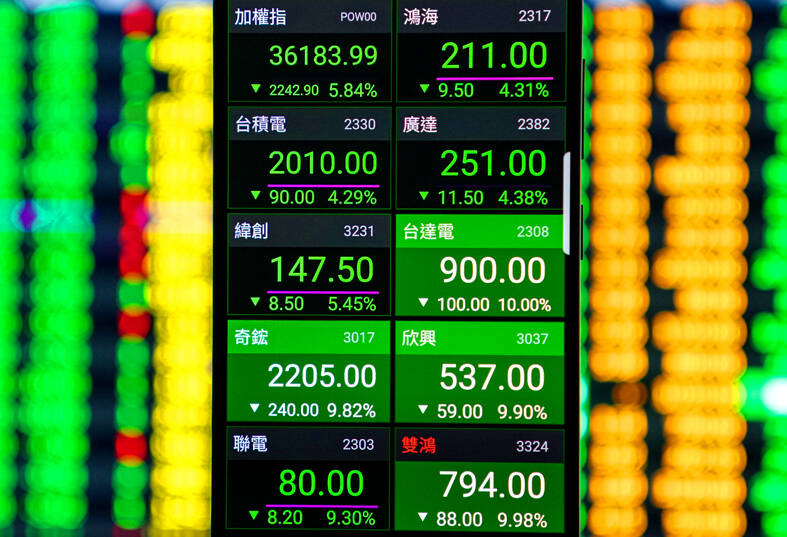
The Financial Supervisory Commission (FSC) in Taiwan has announced tighter short-selling restrictions following heavy losses in the local stock market. The move comes as global volatility surrounding artificial intelligence (AI)-related stocks weighs on regional and international financial markets.
Premier Cho Jung-tai convened a meeting with heads of economic and financial agencies to coordinate a response to the market downturn. In response, regulators introduced a series of defensive rules designed to protect market stability and curb speculative trading.
New Short-Selling Restrictions Imposed
Under the newly announced measures, the FSC has prohibited the short-selling of stocks whose prices fell during the previous trading session. This marks the first time a blanket restriction of this nature has been implemented since 2015.
The updated rule supersedes an earlier restriction announced that prohibited short-selling for stocks that had dropped by 3.5% or more in the previous session. Additionally, the commission increased the minimum margin requirement for short-selling from 130% to 150%, obligating investors to post higher levels of collateral. Both rules take effect the following day.
Broader Market Stabilization Measures
Beyond tightening short-selling rules, the FSC and other government bodies rolled out a broader package to calm investors and manage liquidity:
- Suspended new applications from securities firms seeking to issue put warrants for listing on the Taiwan Stock Exchange and the Taipei Exchange.
- Continued encouraging listed companies to buy back their own shares.
- Called on financial institutions and lenders to suspend securities lending, recall lent shares early, or refrain from renewing maturing loans.
The management committee of the NT$500 billion (US$15.18 billion) National Financial Stabilization Fund has held authorization to intervene in the market since early November. Meanwhile, the Executive Yuan emphasized that the local economic outlook remains sound, backed by strong export numbers exceeding US$750 billion in the first ten months of the year and robust demand for AI infrastructure.
