
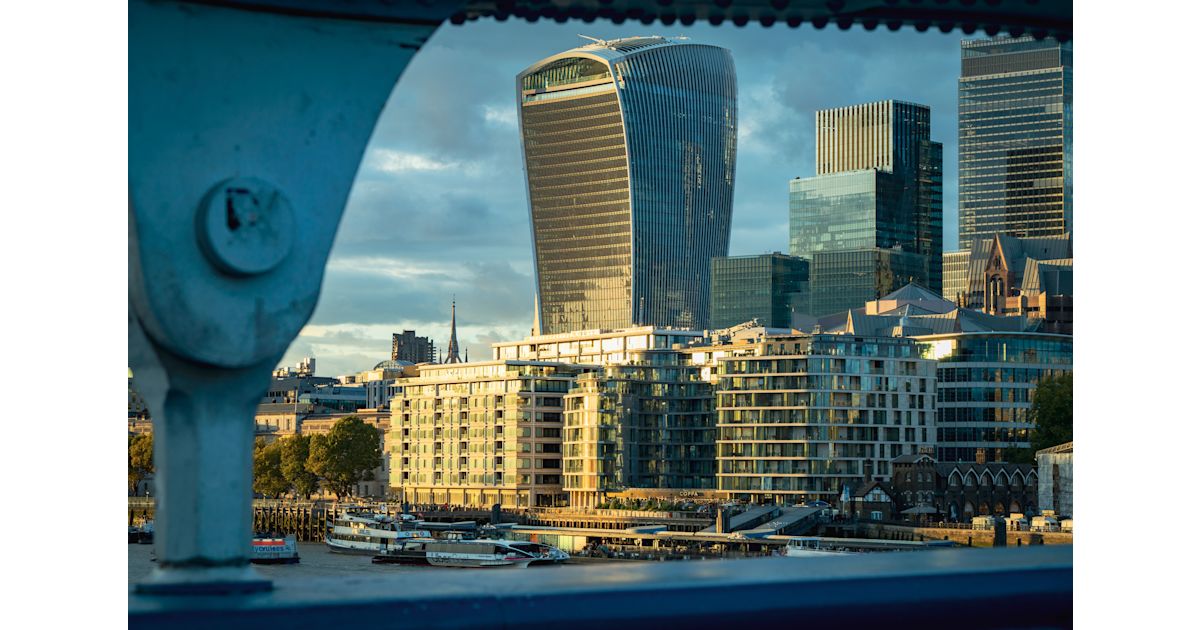
The FTSE 100 has demonstrated resilience in recent trading, climbing to 10,595 as investors look past the volatility that has gripped global equity markets. While international indices have faced significant pressure due to a sharp correction in artificial intelligence and semiconductor stocks, the London market is seeing a distinct shift in sentiment.
Bargain hunters are currently driving activity on the exchange, specifically targeting sectors that have previously suffered from broader market de-rating. This renewed interest suggests a rotation of capital as participants seek value in areas that may have been oversold during the recent global sell-off.
Sector Rotation and Defensive Strength
The current market environment is characterized by a move away from the high-growth technology names that dominated earlier in the year. As the S&P 500 entered correction territory—falling from its October 6 all-time high—and the Nasdaq erased its 2026 gains, investors have pivoted toward more stable or undervalued sectors.
In London, this trend is particularly visible in the commodities and defence sectors. These industries are attracting capital from those looking to capitalize on lower entry points. The defence sector, in particular, has received a notable boost following a significant contract win for Babcock, which has served as a catalyst for renewed investor confidence in the industry's outlook.
Global Context of the Market Shift
The stability in the FTSE 100 stands in contrast to the broader international landscape, where markets in Asia and the United States have struggled with the fallout of an AI-driven rout. The global sell-off was exacerbated by concerns over AI infrastructure spending, elevated inflation, and a slower-than-anticipated pace of central bank interest rate easing.
While regional markets like Japan’s Nikkei and South Korea’s Kospi experienced sharp declines, the London market’s ability to extend gains highlights a divergence in investor strategy. By focusing on tangible sectors like defence and commodities, participants on the FTSE 100 appear to be prioritizing fundamental value over the speculative growth that defined the earlier part of the year.
As the market moves forward, the focus remains on whether this bargain-hunting activity can sustain the index's momentum. With geopolitical tensions continuing to influence commodity prices—such as the ongoing volatility in Brent crude—the defensive positioning of many FTSE 100 constituents may provide a buffer against the lingering uncertainty affecting global tech and semiconductor equities.
