
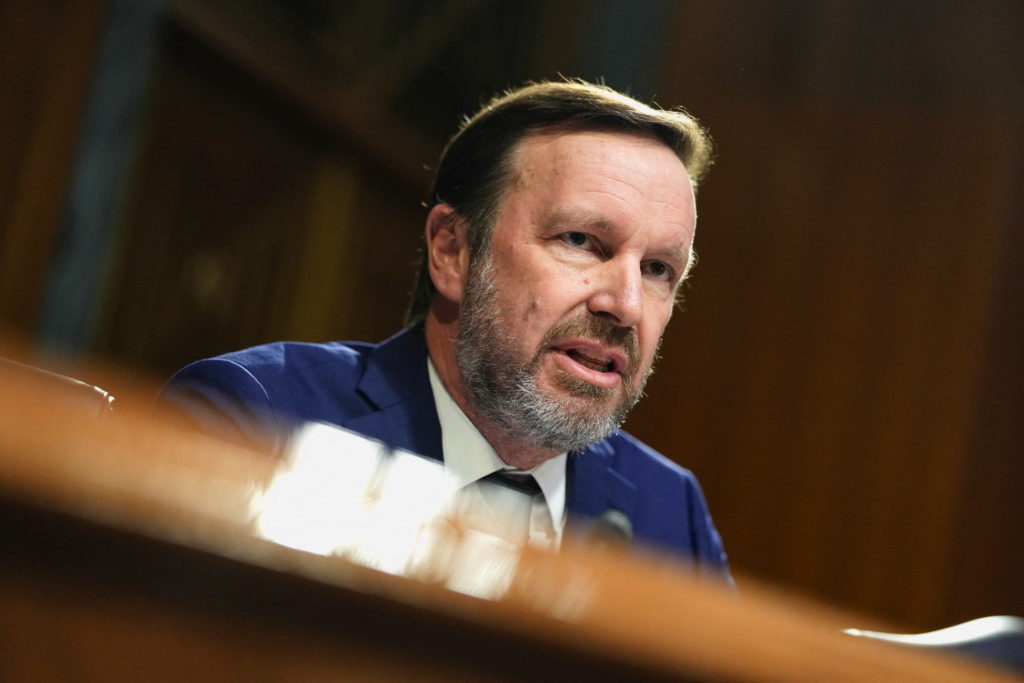
Senator Chris Murphy recently shared that he experienced a stroke at the age of 53, bringing renewed attention to an evolving health concern. While cerebrovascular events are historically associated with older populations, medical data indicates that strokes among younger adults and midlife individuals have been steadily rising.
This medical event in a prominent public figure underscores a broader epidemiological shift. Healthcare professionals emphasize that understanding midlife risk factors and recognizing early warning signs are critical as stroke rates climb outside traditional age demographics.
Understanding the Trend in Younger Populations
Experts point to a combination of shifting health profiles, lifestyle factors, and vascular risk elements that begin accumulating decades earlier. Consequently, healthcare providers are urging a shift in perception, noting that stroke is not exclusively an older person's disease.
Midlife Risk Factors and Prevention
Strokes in younger adults are often linked to specific underlying health conditions and lifestyle variables that may go undetected during routine checkups. Managing these indicators is essential for long-term brain health.
- Hypertension: High blood pressure remains a leading risk factor, often developing quietly in early adulthood.
- Metabolic Health: Conditions such as diabetes, obesity, and elevated cholesterol levels contribute significantly to vascular strain.
- Lifestyle Habits: Smoking, heavy alcohol consumption, physical inactivity, and chronic stress elevate midlife vulnerability.
- Underlying Vascular Conditions: Issues like arterial dissections or certain heart conditions can also precipitate strokes in younger patients.
Recognizing the Warning Signs
Timely medical intervention remains the most critical factor in determining recovery outcomes following a stroke. Health agencies continue to promote rapid symptom recognition using standard clinical acronyms to help patients and bystanders act immediately.
Warning signs include sudden numbness or weakness in the face, arm, or leg—especially on one side of the body—along with confusion, trouble speaking, difficulty walking, or sudden severe headaches. Public health advocates stress that anyone experiencing these symptoms should seek emergency medical care immediately, regardless of age.
