
The natural gas sector remains a cornerstone of the U.S. energy landscape, yet the companies operating within it utilize vastly different business models to generate revenue. While all six major players—Cheniere Energy, EQT, Expand Energy, Antero Resources, Kinder Morgan, and Williams—rely on the same commodity, their financial health is tied to distinct segments of the supply chain, ranging from international export logistics to domestic extraction and infrastructure transport.
Understanding these differences is essential for investors, as each model responds uniquely to fluctuations in market gas prices. By categorizing these firms into exporters, producers, and midstream operators, one can better grasp how they manage risk and secure long-term profitability.
Exporting Through Liquefied Natural Gas
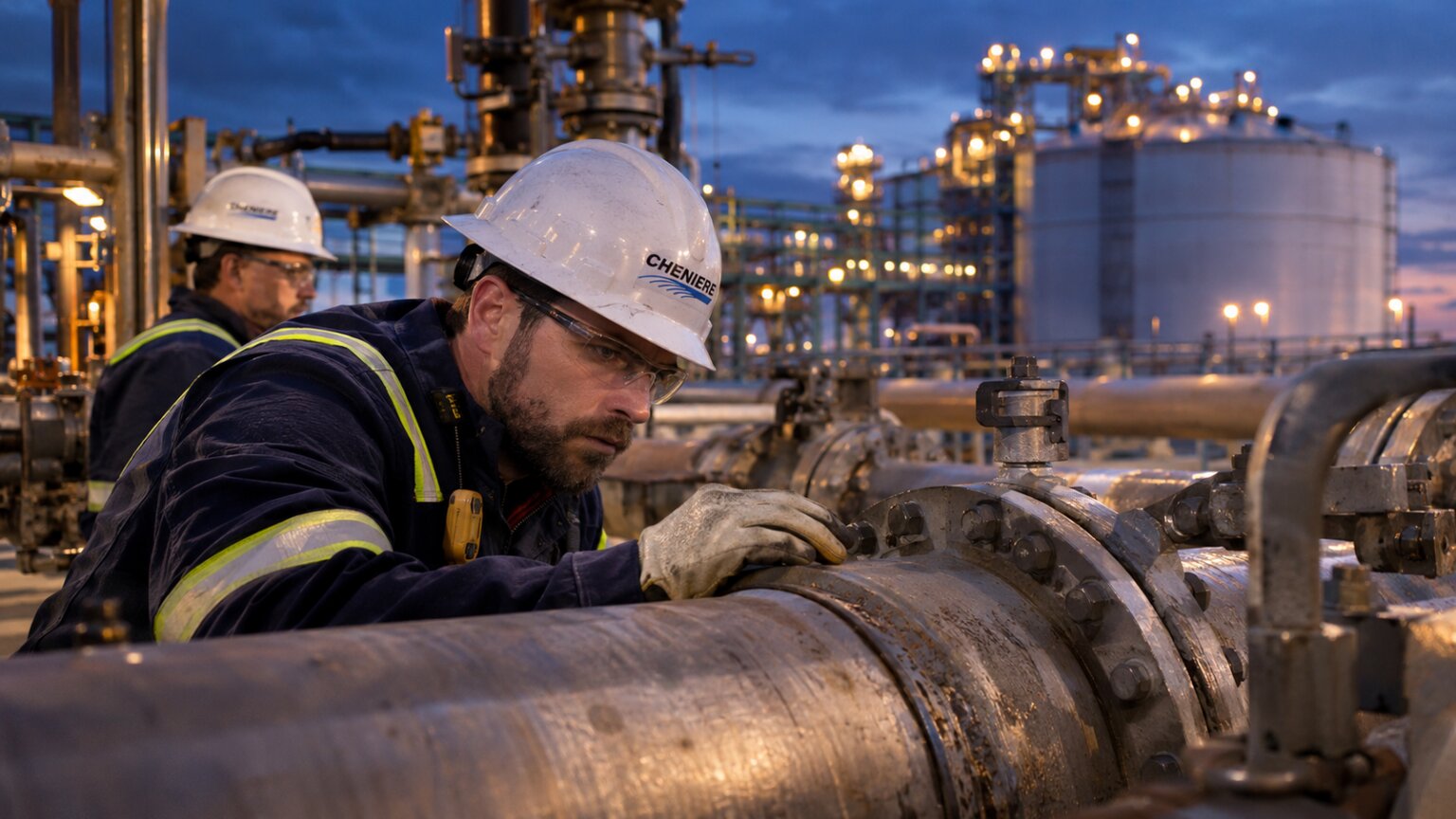
Cheniere Energy stands as the dominant force in the U.S. liquefied natural gas (LNG) market. With a massive $50 billion investment in two Gulf Coast export facilities, the company operates 16 LNG trains capable of processing approximately 55 million tonnes of gas per year. This infrastructure makes Cheniere the largest LNG producer in the United States and the second-largest globally.
The company’s financial stability is largely anchored by long-term, take-or-pay contracts, which cover 95% of its total capacity. These agreements provide a predictable stream of cash flow, allowing Cheniere to fund further expansion, manage debt obligations, and distribute capital back to its shareholders.
Drilling and Production Strategies
EQT, Expand Energy, and Antero Resources function as pure-play gas producers. Because these companies sell their output at prevailing market rates, their cash flows are highly sensitive to price volatility. To mitigate this, many producers utilize hedging contracts to lock in prices for a portion of their production.
- EQT: Currently pursuing a merger with Range Resources, EQT aims to create a $50 billion entity. This consolidation is expected to lower the company’s cash flow breakeven point to below $2 per MMBtu.
- Expand Energy: As the current largest independent gas producer, Expand Energy is focused on market reach. Its recent acquisition of Twin Eagle, a gas marketer, is designed to help the company sell more of its output into premium-priced markets.
- Antero Resources: This firm maintains a low-cost structure supported by a robust hedging program and significant production of natural gas liquids. Additionally, Antero leverages specific LNG export contracts to secure higher prices for its supply.
Infrastructure and Fee-Based Transport
Kinder Morgan and Williams operate the midstream infrastructure that serves as the backbone of the industry. Their business model centers on gathering gas from wells, transporting it to processing plants, and managing long-haul pipelines and storage terminals. Unlike producers, these companies primarily earn revenue through fixed fees, which provides a layer of insulation against the daily swings in natural gas commodity prices.
Broader Market Context
While the energy sector continues to navigate commodity cycles, other industries are seeing growth through technological innovation. For instance, travel platform trivago reported 16% year-over-year revenue growth during its third-quarter 2026 earnings call on November 4. CEO Johannes Thomas noted that the company utilized AI to rebuild its mobile application, completing in four months a project that would typically require 12 to 18 months. The company is now targeting a 10% adjusted EBITDA margin by 2028, highlighting how digital efficiency is becoming a key performance driver in the broader market.
Ultimately, the natural gas industry remains divided between those who profit from the physical movement of gas and those who profit from its extraction. While midstream operators like Kinder Morgan and Williams offer fee-based stability, producers and exporters like EQT and Cheniere provide exposure to the global demand for energy, albeit with higher sensitivity to market pricing.
