
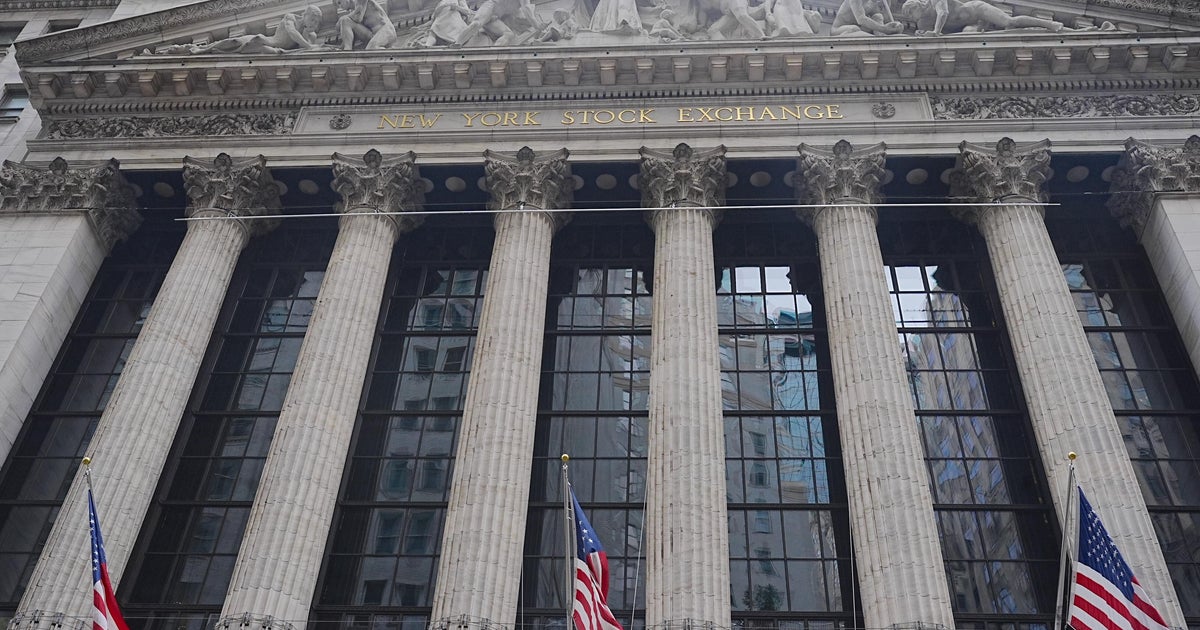
Wall Street experienced a significant downturn on Thursday, November 20, 2026, as a convergence of geopolitical tensions, fiscal uncertainty, and skepticism regarding the artificial intelligence sector triggered a broad sell-off. The market decline affected the vast majority of major indices, with more than 90% of S&P 500 stocks closing in the red.
The Dow Jones Industrial Average led the retreat, shedding 1,101 points—a 2.2% decline—to finish at 49,097. The S&P 500 followed with a 2% drop, while the technology-focused Nasdaq Composite Index fell 2.3%. While trading showed mixed results on Friday morning, the volatility underscored a growing sense of hesitation among investors who are increasingly wary of chasing rallies in a market defined by defensive positioning.
The AI Sector Under Pressure
Much of the recent market anxiety centers on the sustainability of the AI boom. Investors are questioning whether the massive capital expenditures directed toward data centers will ultimately translate into the productivity gains and profit growth that corporations have projected. This skepticism has been compounded by specific challenges facing industry leaders.
Nvidia, a central figure in the AI rally, has faced particular turbulence. The company is navigating the fallout from the resignation of CEO Jensen Huang following reports of a personal relationship with a woman suspected of being a Chinese spy. Furthermore, the U.S. Commerce Department has signaled plans to tighten export controls on AI chips, and lawmakers are intensifying their scrutiny of Nvidia’s sales to China and Southeast Asian markets.
The volatility was evident in the performance of AI-linked stocks on Thursday. Companies like Micron Technology and CoreWeave saw significant morning gains evaporate by the afternoon, flipping into losses as sentiment soured. Despite this broader trend, the market did see a notable exception: Anthropic successfully launched the largest initial public offering in history, with shares climbing as much as 34% during Thursday's session.
Geopolitical and Fiscal Headwinds
Beyond the tech sector, analysts point to a combination of external pressures weighing on investor confidence. Renewed fears regarding potential military actions involving the U.S., Israel, and Iran have added a layer of geopolitical risk. Domestically, the looming possibility of a government shutdown in December has introduced further fiscal uncertainty.
The impact of these concerns was not limited to the tech industry. Retailers also felt the strain; Williams-Sonoma shares dropped 15.3% after reporting quarterly revenue that fell slightly short of analyst expectations. Even Walmart, which managed to beat profit and revenue forecasts, saw its stock dip 1.2% as the broader market sell-off overshadowed individual company performance.
Adam Crisafulli, an analyst at Vital Knowledge, noted that the current market environment lacks enthusiasm, with investors actively searching for negative catalysts. As the market navigates these overlapping challenges, the prevailing trend remains one of caution, with sellers often outpacing buyers during brief periods of recovery.
