
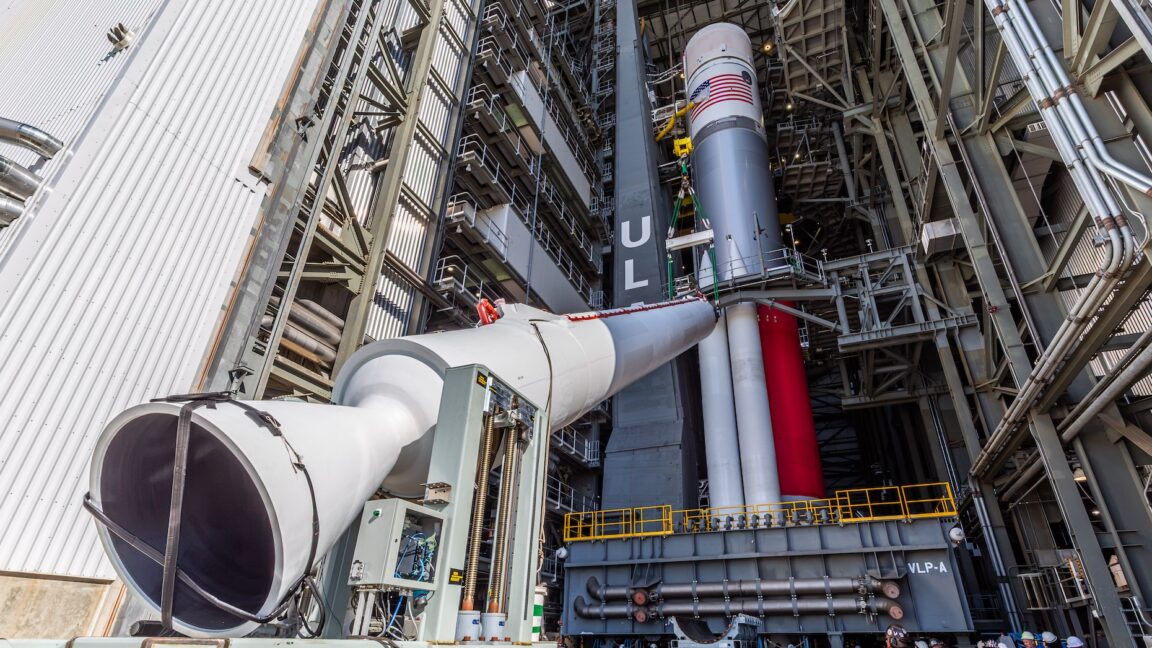
United Launch Alliance (ULA) has officially scheduled the return-to-flight mission for its Vulcan rocket, targeting a launch date of November 13. This milestone comes nine months after a technical anomaly involving the rocket's solid rocket boosters disrupted the company’s launch manifest.
The upcoming mission, which remains subject to final range approval, will lift off from Cape Canaveral Space Force Station in Florida. This flight is a significant step for ULA as it seeks to restore operational momentum following a period of intense scrutiny regarding the reliability of its new flagship launch vehicle.
Mission Objectives and Payload
The primary objective of the November 13 flight is the deployment of 40 satellites for Amazon’s Leo broadband constellation. This launch represents the beginning of a substantial partnership between the two companies, as Amazon has contracted ULA for a total of 38 Vulcan flights to establish the majority of its network.
Addressing Technical Challenges
The return to service follows a series of setbacks that impacted the Vulcan program's early performance. During two of its first four missions, the rocket experienced nozzle failures within its solid rocket boosters. The most recent incident occurred in February.
While the Vulcan rocket successfully completed its mission objectives in both instances despite the hardware issues, the recurring nature of the failures prompted concerns from the U.S. Space Force. As ULA’s primary customer, the Space Force expressed a loss of confidence in the vehicle, making this upcoming flight a critical demonstration of the rocket's corrected performance and reliability.
Strategic Implications
For ULA, the successful execution of this mission is essential to stabilizing its launch schedule and regaining the trust of its government and commercial partners. By demonstrating that the nozzle issues have been resolved, the company aims to move past the delays that stalled its operations and fulfill its long-term commitments to the Amazon constellation.
