
In a significant shift for American politics, a record number of Democratic physicians, scientists, and healthcare professionals secured victories in the 2026 midterm elections. The results, which helped Democrats regain control of both the House of Representatives and the Senate, are being framed by organizers as a “STEM swing” and a direct response to recent upheavals within the nation’s health and science infrastructure.
A Shift in Leadership
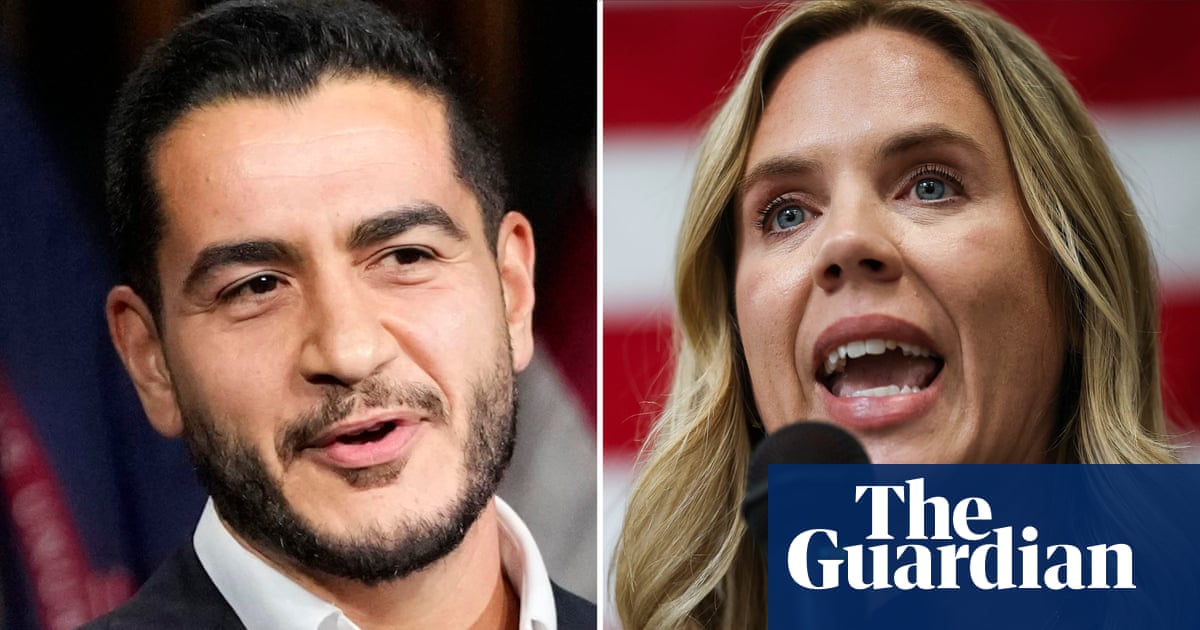
The election results mark a historic departure from the previous decade, during which the vast majority of physician-lawmakers in Congress were Republicans. Notable victories include epidemiologist Abdul El-Sayed, who won a Michigan Senate seat, and pediatrician Annie Andrews, who flipped a Senate seat in South Carolina. In Ohio, former pandemic-era health director Dr. Amy Acton was elected governor. Other successful candidates include registered nurse Mitchell Berman in Wisconsin, microbiologist Jasmine Clark in Georgia, and pediatrician Richard Pan in California.
The advocacy group 3.14 Action, which supported many of these candidates, noted that healthcare affordability served as a primary driver for voters. The organization invested $23 million in independent advertising, focusing on issues such as standing up to pharmaceutical companies and insurers. According to the Cook Political Report, Democrats ran over 158,000 healthcare-related ads throughout the cycle, significantly outpacing Republican efforts.
Addressing Institutional Upheaval
The surge of science-focused candidates follows years of instability at federal agencies, including the CDC, the NIH, and the FDA. Campaign messaging frequently highlighted the impact of recent policy changes, such as the “One Big Beautiful Bill Act,” which introduced Medicaid work requirements and other cuts projected to impact millions of insured Americans.
For many voters, the election served as a referendum on the “Make America Healthy Again” (MAHA) movement and the leadership of U.S. health secretary Robert F. Kennedy Jr. With public health crises—including a record-breaking measles outbreak—looming, Democratic candidates leveraged their professional backgrounds to offer alternative policy agendas. As these new lawmakers prepare to take office, they face the immediate challenge of addressing the looming implementation of federal health cuts and navigating complex negotiations over the future of the U.S. healthcare system.
