
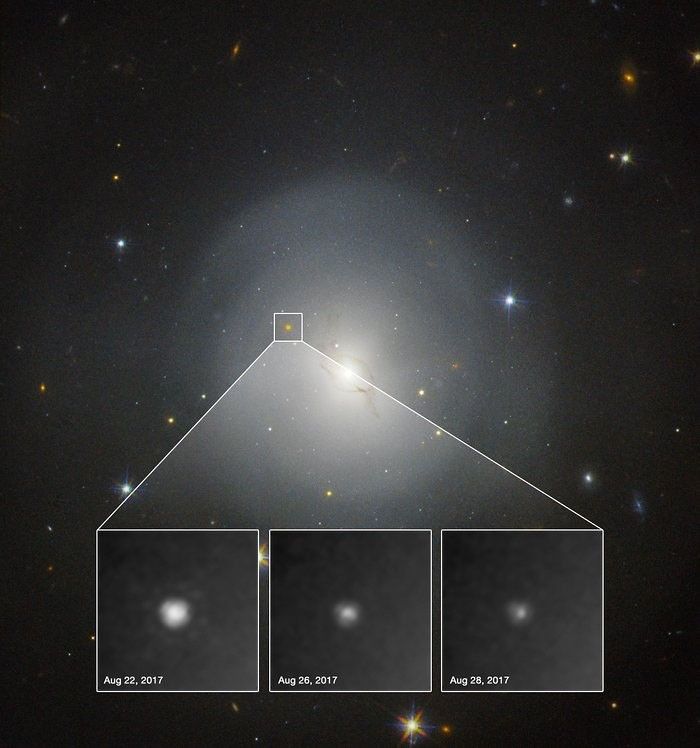
NASA’s Kilonova Catcher project is calling on amateur astronomers worldwide to assist in the rapid detection and monitoring of kilonovae—the explosive, light-emitting collisions of ultra-dense neutron stars. Because these cosmic events fade within days, the project relies on a global network of volunteers to provide the widespread coverage that professional observatories cannot achieve alone.
Collaborating on Cosmic Discoveries
The network currently consists of over 150 members across multiple continents. When gravitational wave detectors or space telescopes trigger an alert, volunteers use their own equipment to track the fading light of kilonovae and gamma-ray bursts. This data is shared through NASA’s General Coordinates Network, a real-time system for scientific discovery.
The contributions of these citizen scientists have already been documented in more than 64 official reports, with many volunteers earning co-authorship on peer-reviewed research papers. Beyond deep-space events, the group has also participated in NASA’s lunar Impact Flash! project, monitoring meteoroid strikes on the Moon during the Artemis II mission.
As the scientific community prepares for the influx of data from the upcoming Nancy Grace Roman Space Telescope, project leaders are emphasizing the need for more participants. Cristina Andrade, head of operations at the Minnesota Institute for Astrophysics, noted that the project aims to empower individuals from all backgrounds to contribute to significant scientific breakthroughs.
