
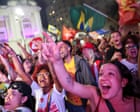
Luiz Inácio Lula da Silva has been elected to a fourth non-consecutive term as president of Brazil, defeating far-right senator Flávio Bolsonaro in a closely contested runoff election. The victory marks a significant political comeback for the 80-year-old incumbent, who faced a narrow margin in the first round of voting earlier this month.
Election Day Disruptions and Challenges
The final stage of the election was marked by logistical tensions. Throughout the day, reports emerged of public transport disruptions in major cities, including Salvador and São Paulo, prompting calls for polling stations to remain open longer. In response to the transit issues, the local electoral court ordered the immediate restoration of the full bus fleet and issued an arrest warrant for municipal transport secretary Pablo Souza on suspicion of electoral interference. The warrant remained unexecuted as Souza was reportedly on an official mission in Paris.
As the results solidified, Flávio Bolsonaro challenged the process, filing requests to extend voting hours in several states—including São Paulo, Paraná, and Santa Catarina—citing heavy rain as a barrier to voter turnout. Following the announcement of his loss, reports indicated that the Bolsonaro camp called for the election results to be annulled.
Context of the Race
The runoff concluded a volatile campaign period. Flávio Bolsonaro, the son of the convicted former president, had entered the final round with momentum after securing 47% of the vote in the first round compared to Lula’s 45%. Throughout the campaign, the candidates presented starkly different visions for the country, with Lula framing the election as a choice between democracy and "barbarism," while Bolsonaro campaigned on a platform of "real change" and freeing the Brazilian people.
