
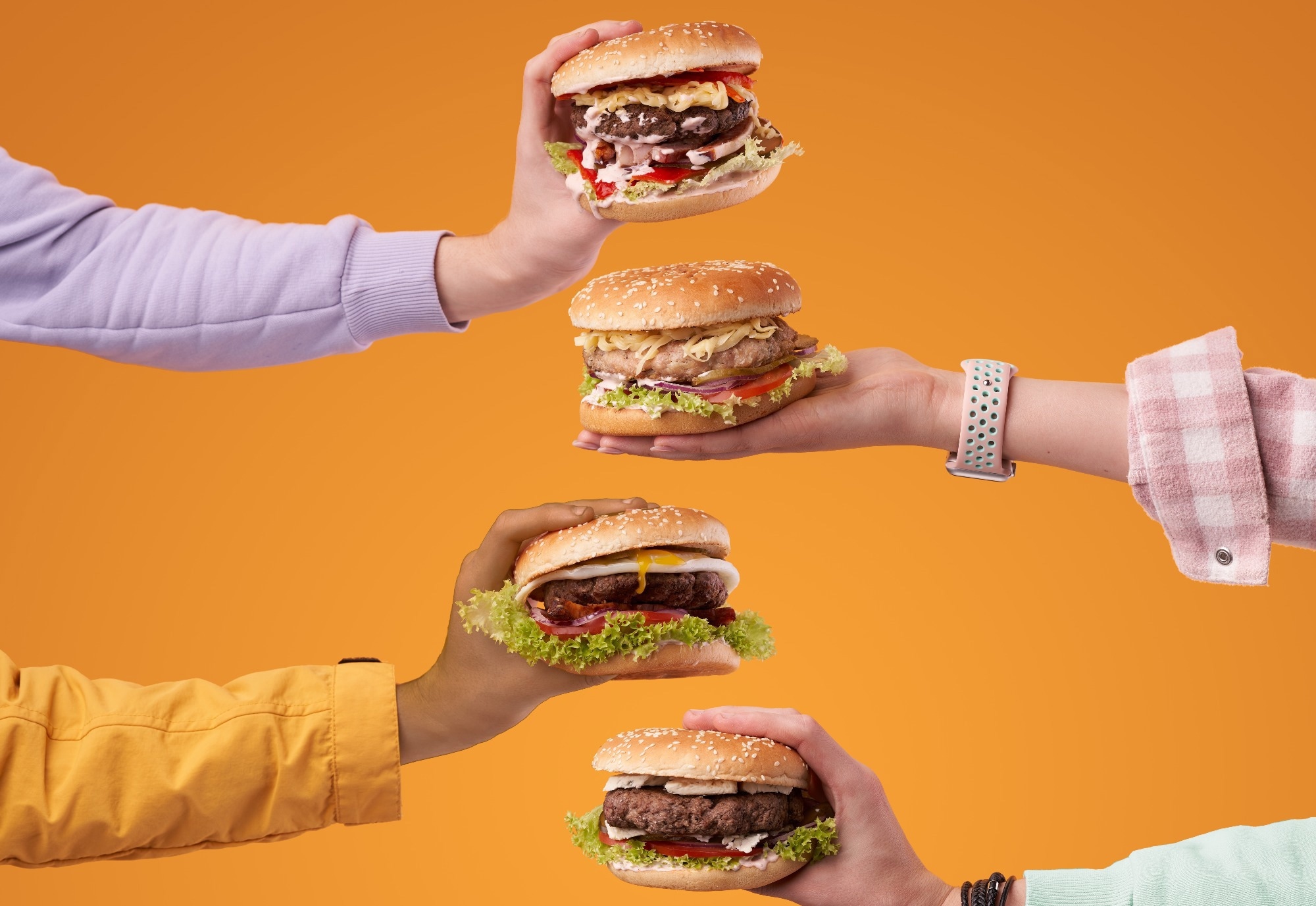
Can artificial intelligence learn what makes a burger irresistible while improving its nutritional value and environmental footprint? Researchers recently put that question to the test, pitting five generative AI-designed burger recipes against McDonald's iconic Big Mac in a blinded human study.
To evaluate the results, a panel of 101 participants took part in a blinded taste-testing comparison between the AI-crafted creations and the classic Big Mac. The findings revealed notable trade-offs in modern food design: while select AI-generated burgers received slightly higher flavor ratings than the fast-food benchmark, alternative formulations built around mushrooms and beans achieved superior environmental or nutritional scores at the expense of lower sensory ratings.
The research highlights the growing potential and current limitations of using machine learning in culinary science, demonstrating that balancing peak flavor, health benefits, and sustainability remains a complex challenge for artificial intelligence.
