
Researchers in China have discovered that pantethine—a widely available nutritional supplement derived from vitamin B5—can calm overactive immune cells and potentially help treat psoriasis, according to a study published October 27 in the Journal of Experimental Medicine.
The study highlights a previously unknown connection between cholesterol production and the immune system. Investigators, led by scientists at the State Key Laboratory of Biomedical Analysis in Beijing, focused on dendritic cells, which are specialized immune coordinators that can trigger persistent inflammation and autoimmune diseases when they become excessively active.
The team found that enzymes called Vanins convert pantethine into vitamin B5, and excessive Vanin activity lowers internal pantethine levels in dendritic cells. This reduction causes cholesterol production to spike, driving the hyperactivation of immune cells. Administering pantethine successfully reduced cholesterol accumulation, suppressed inflammation, and prevented psoriasis from developing in mice.
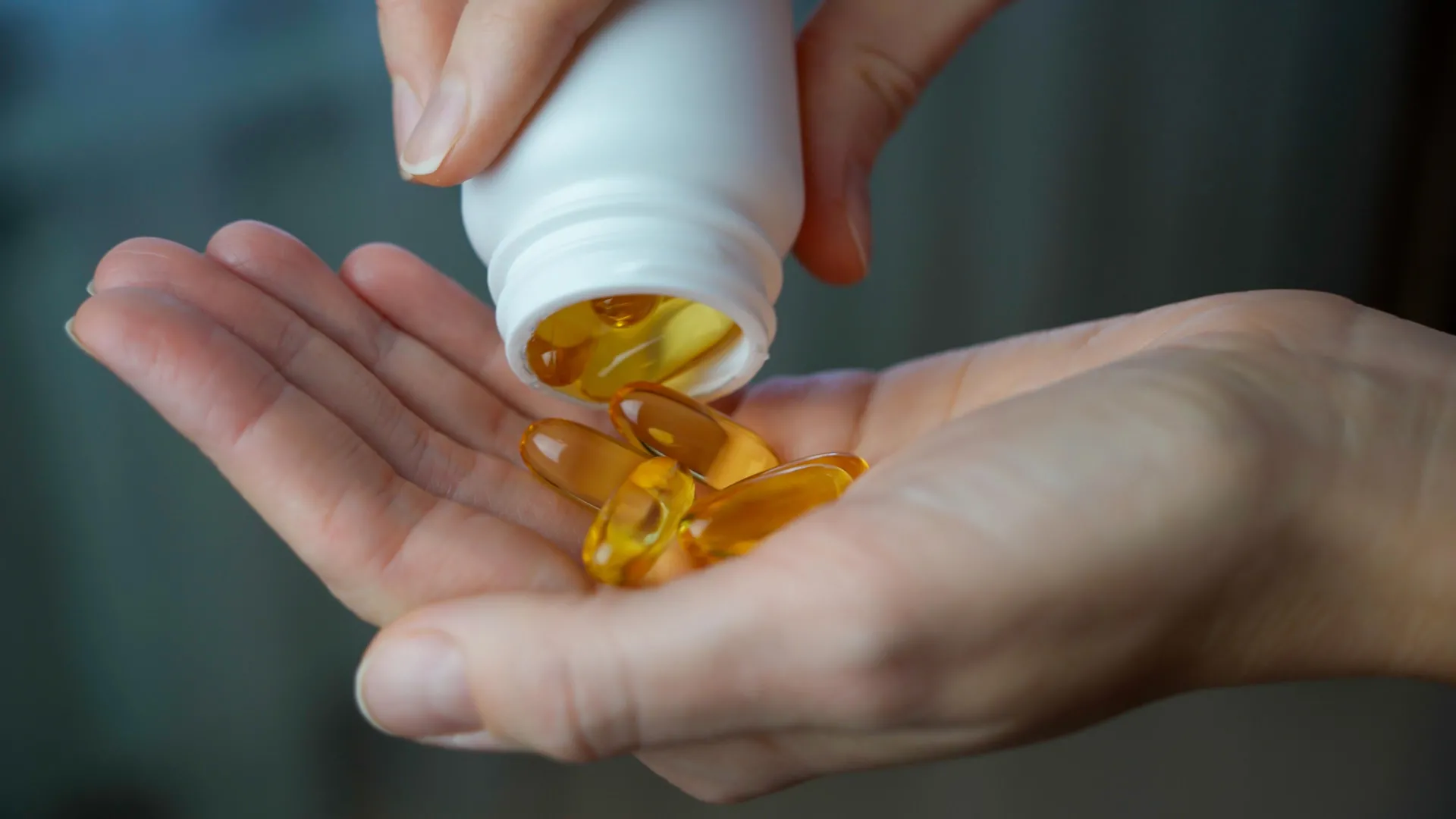
Encouraged by these laboratory outcomes, the researchers conducted a small, 12-week clinical trial involving 24 human patients. All participants used a standard topical ointment to manage symptoms, while half additionally took pantethine tablets. Patients receiving the supplement alongside standard treatment experienced greater symptom improvement, particularly those with pre-existing high blood cholesterol.
While the initial clinical results serve as an encouraging proof-of-concept for adjunctive therapy, authors emphasize that larger studies are required to confirm the supplement's effectiveness and establish direct human mechanistic validation.
