
Latest News
Effects of grip strengthening combined with scapular stabilization exercise on shoulder muscle strength and functional outcomes in individuals with subacromial pain syndrome: A randomized controlled trial - National Institutes of Health (NIH) | (.gov)
Machine Learning Enhances Shoulder Pain Rehabilitation A recent study published in Scientific Reports highlights how advanced machine learning techniques can optimize scapular stabilizati...
Primary sourcePakistan · Business ↗
Machine Learning Enhances Shoulder Pain Rehabilitation
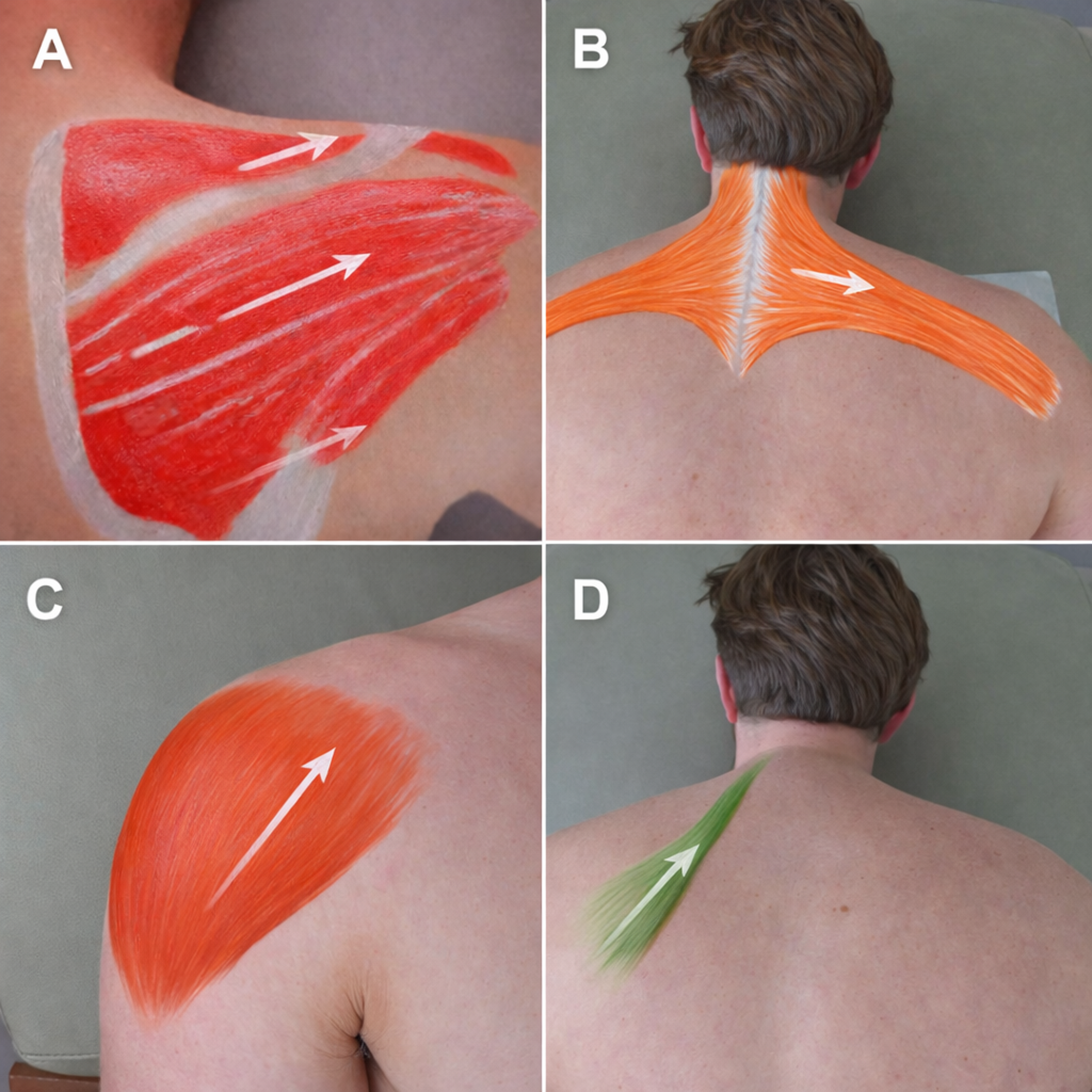
A recent study published in Scientific Reports highlights how advanced machine learning techniques can optimize scapular stabilization exercises (SSE) to treat non-specific shoulder pain. By applying predictive modeling to clinical data, researchers have identified more effective ways to tailor rehabilitation programs for individuals suffering from this common musculoskeletal condition.
Sources used
- Pakistan · Business · Nov 24, 2026 20:16
- nature.com · Nov 18, 2024 13:00
- nature.com · Apr 27, 2026 12:00
