
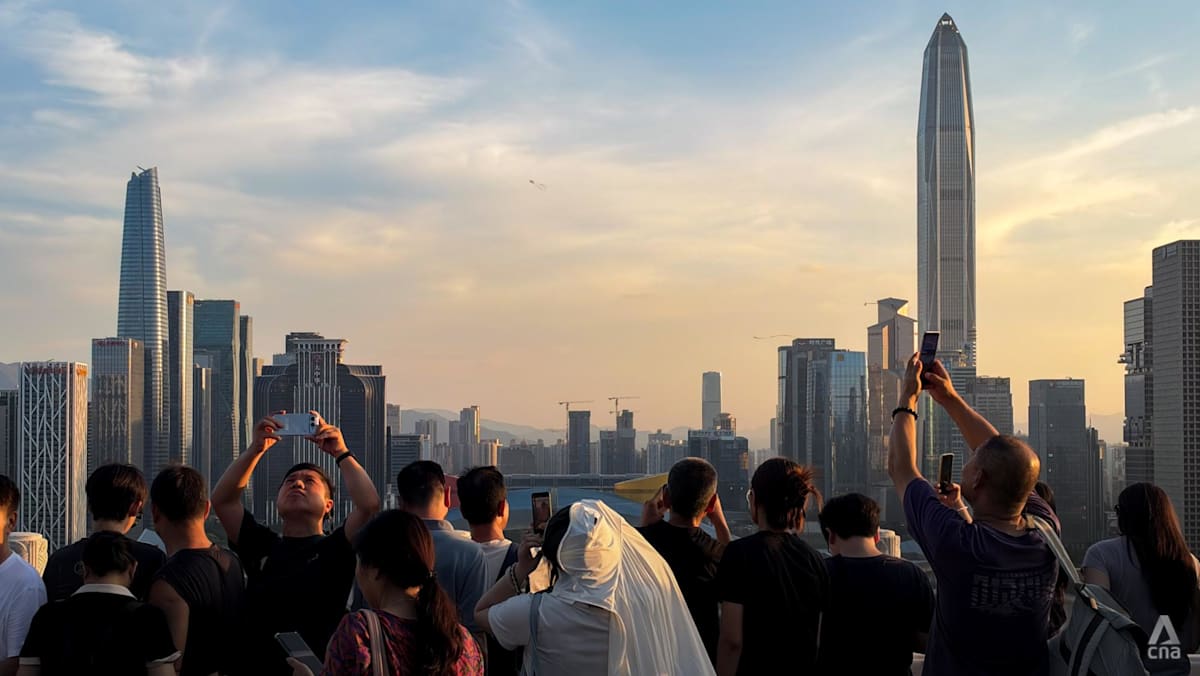
As leaders from the 21 Asia-Pacific Economic Cooperation (APEC) economies prepare to gather next week, China is positioning Shenzhen as the centerpiece of its diplomatic and economic messaging. The high-profile Economic Leaders’ Meeting is scheduled for Nov 18 and 19, preceded by a two-day APEC CEO Summit starting Nov 17.
Once a modest collection of fishing villages and rural border settlements on China’s southern coast, Shenzhen was designated as one of the country's first special economic zones in 1980. Over the decades, it evolved into a testing ground for market-oriented policies, foreign investment, and institutional opening-up. Today, the megacity of over 18 million residents serves as a global technology powerhouse and home to industry giants including Huawei, Tencent, DJI, and BYD.
Analysts note that Shenzhen’s transformation from an early manufacturing hub into an innovation engine makes it a fitting stage to highlight China's regional ambitions. While Beijing has prioritized openness, innovation, and cooperation for its host year, business stakeholders emphasize that the true test will be practical implementation. Observers point out that companies will look for tangible measures—such as reduced transaction costs, clearer cross-border data rules, and streamlined paperless trade systems that could cut expenses by nearly 6 per cent—rather than broad pledges alone.
This year marks China's third time hosting the APEC summit, following previous gatherings in Shanghai in 2001 and Beijing in 2014. Ahead of the summit, Shenzhen Mayor Li Yun stated that administrative conveniences introduced for international visitors will be made permanent if proven effective, aiming to channel regional development gains directly back to residents.
