
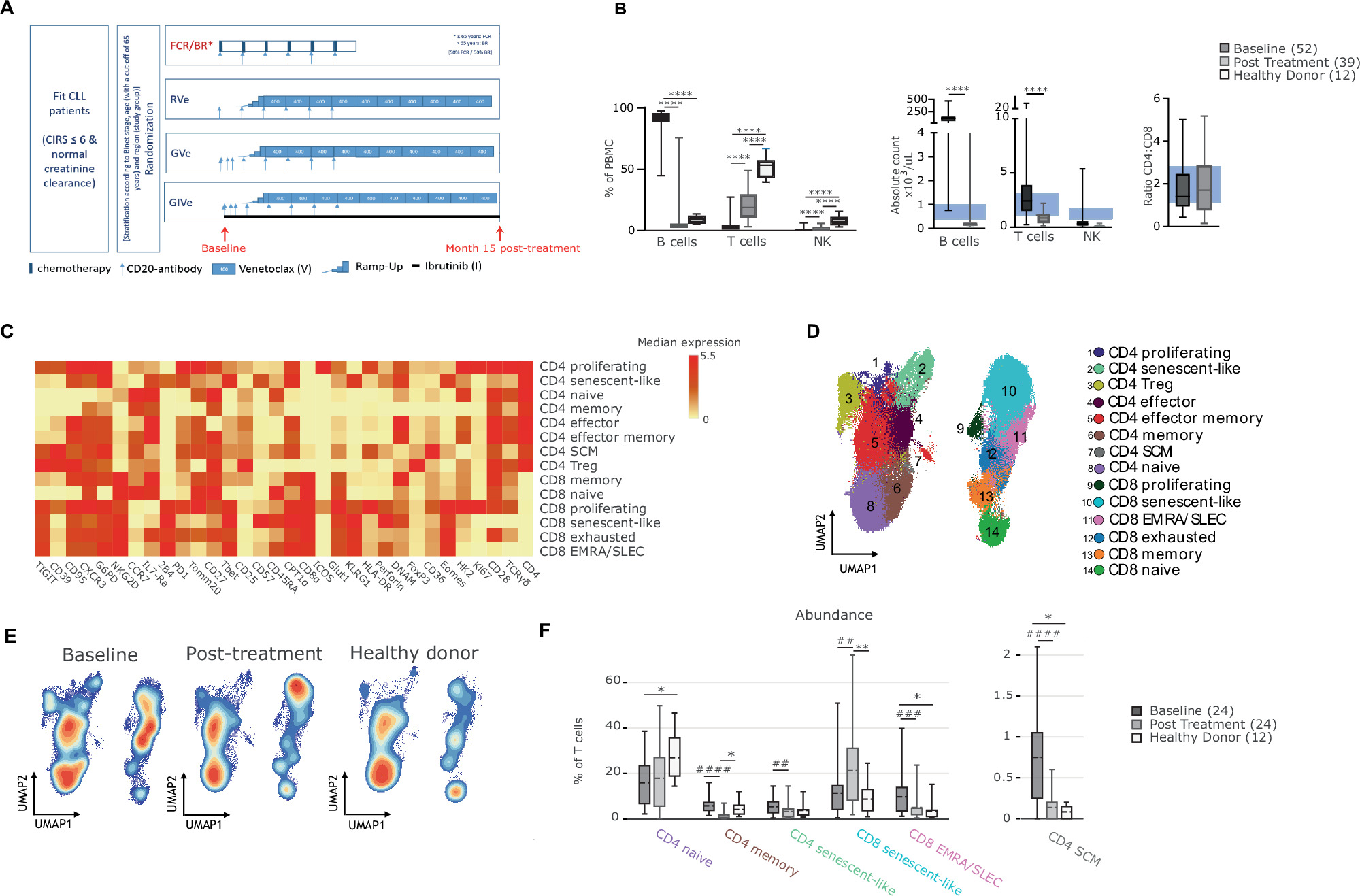
By profiling over 40 surface and intracellular markers before and after treatment, the team found that both treatment arms moved T‑cell populations toward a phenotype seen in age‑matched healthy donors. However, the shift was more pronounced in the CD4⁺ subset after venetoclax‑based therapy, which also restored activation markers and improved metabolic indicators such as GLUT1 and TOMM20. In contrast, CD8⁺ T cells remained functionally impaired across all regimens.
Patients who achieved favorable outcomes—complete response and longer progression‑free survival—showed higher frequencies of stem‑cell memory and proliferative T cells, whereas those with poorer outcomes had more effector, regulatory, and senescent‑like T‑cell subsets. These findings highlight how targeted therapies differentially modulate immune function and may guide the design of future combination strategies.
“Understanding the immune landscape after treatment is crucial for optimizing CLL therapy,” the authors note. The study underscores the potential of venetoclax to not only target malignant B cells but also to rejuvenate the patient’s own immune system.
