
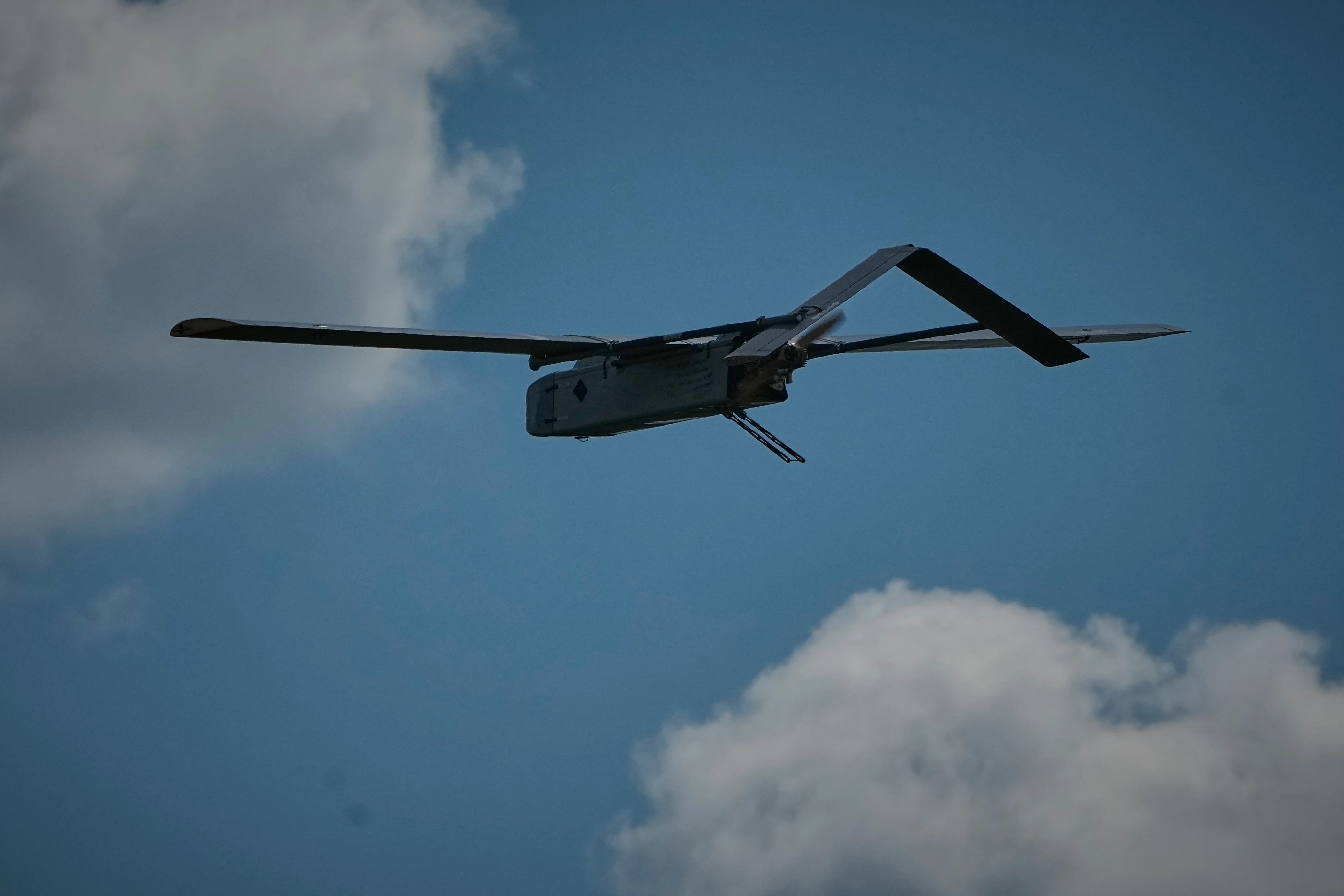
International negotiations in Geneva have concluded without a consensus on legally binding regulations for autonomous weapons systems. Despite growing pressure from humanitarian organizations, member states remained divided on how to govern the use of artificial intelligence in military operations.
Diplomacy Lags Behind Technology
The week-long U.N. discussions highlighted a widening gap between the rapid evolution of military AI and the slow pace of international law. Humanitarian groups and advocacy organizations expressed deep concern that the lack of a formal treaty leaves the door open for the deployment of "killer robots"—systems capable of selecting and engaging targets without direct human intervention.
While many nations acknowledge the ethical risks associated with lethal autonomous weapons, disagreements persist regarding the scope of potential restrictions. Some countries advocate for a total ban, while others argue that existing international humanitarian law is sufficient to cover the use of these emerging technologies.
As the talks ended without a breakthrough, critics warned that the absence of clear, enforceable rules could lead to an unchecked arms race, making it increasingly difficult to ensure accountability for actions taken by autonomous systems on the battlefield.
