
A recent preclinical study published in Nature investigates the therapeutic potential of lenabasum—a selective cannabinoid receptor type 2 agonist—in mitigating sepsis-induced cardiac injury. Sepsis-induced cardiac injury involves systemic inflammation, impaired antioxidant defense, and metabolic alterations, frequently resulting in multiple-organ dysfunction such as septic cardiomyopathy.
Evaluating Lenabasum in a Rat CLP Model
To examine how lenabasum affects cardiac tissue during sepsis, researchers utilized a cecal ligation and puncture (CLP) model to evaluate lenabasum’s effects through biochemical measures. Blood and cardiac tissue samples were collected following surgery to evaluate biochemical markers, antioxidant enzyme activities, targeted plasma metabolites, and cardiac histopathology.
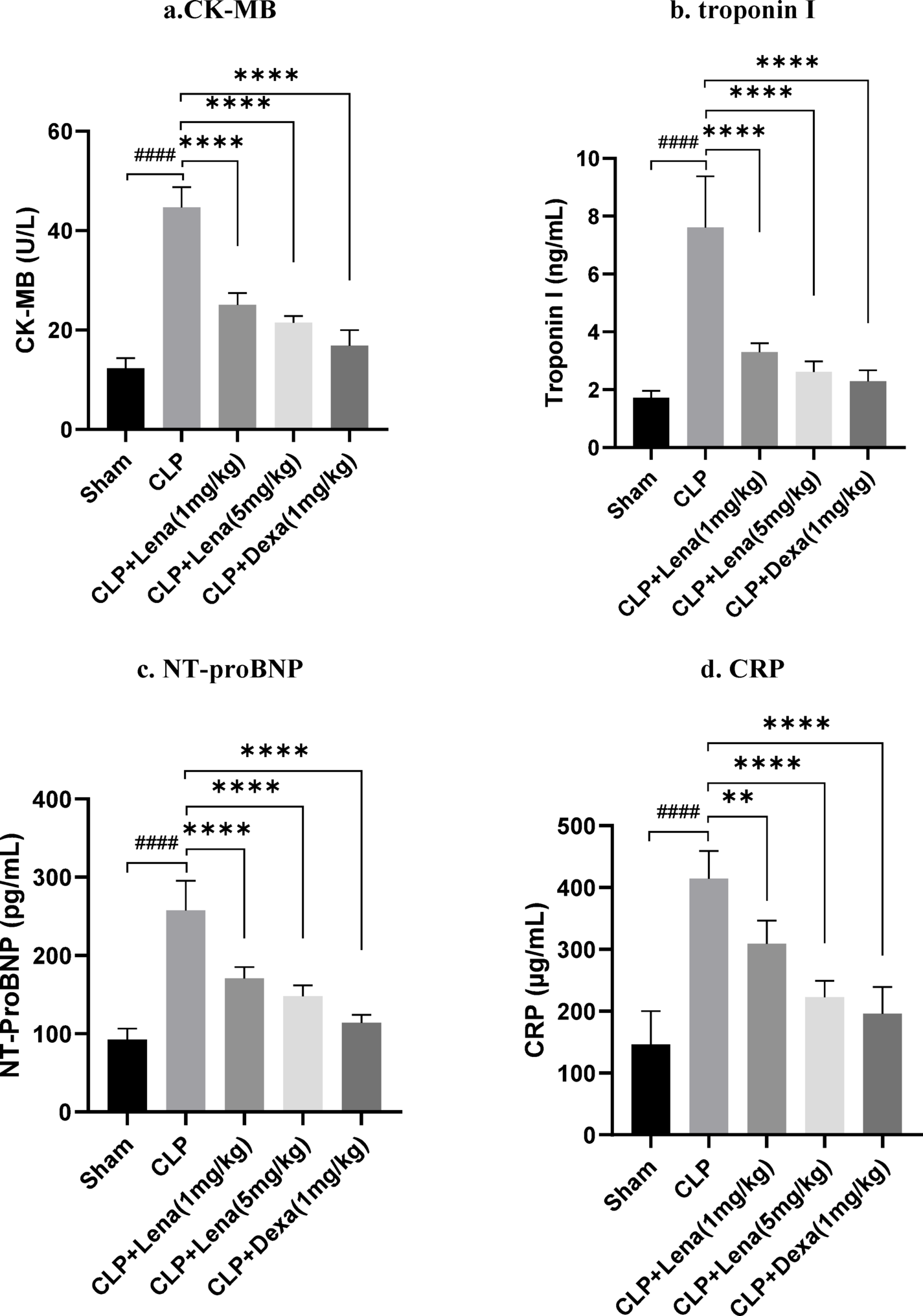
The findings showed that untreated CLP induction significantly impacted serum markers of cardiac injury, stress, and acute-phase responses—including creatine kinase-MB (CK-MB), troponin I, N-terminal pro-B-type natriuretic peptide (NT-proBNP), and C-reactive protein (CRP)—while simultaneously depressing cardiac antioxidant enzymes like superoxide dismutase (SOD) and catalase.
Biochemical and Histopathological Improvements
Administration of lenabasum successfully attenuated these biochemical disruptions, demonstrating its potential protective response. Furthermore, targeted metabolomic profiling revealed distinct plasma amino acid and acylcarnitine patterns across the experimental cohorts, reflecting shifts in systemic metabolism and mitochondrial function.
Blinded semi-quantitative histopathological evaluations confirmed that lenabasum treatment significantly reduced inflammatory infiltration scores compared to the untreated CLP group. Statistical analyses of the biochemical measurements were performed using GraphPad Prism version 8.0.2, applying tests such as one-way ANOVA followed by Tukey's post hoc test or the Kruskal–Wallis test with Dunn's test, where a p-value below 0.05 was considered statistically significant. The study authors concluded that these combined biochemical, metabolic, and tissue-level findings provide a foundational preclinical basis for further mechanistic and translational studies exploring lenabasum's role in managing sepsis-associated cardiac complications.
