
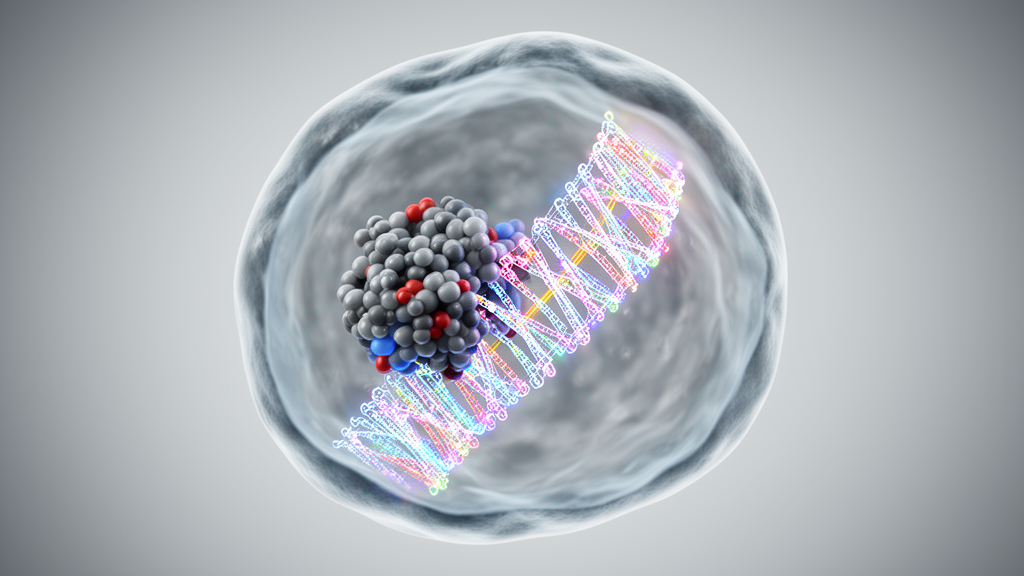
Researchers have introduced Superb-seq, an innovative experimental and computational platform that simultaneously captures individual CRISPR-Cas9 genome editing events and whole transcriptomes within the same single cells. Published on November 16, 2026, by a team led by Michael H. Lorenzini, Brad Balderson, and Graham McVicker, the methodology addresses a longstanding challenge in functional genomics: the inability to directly link specific Cas9 editing outcomes to their downstream molecular consequences at single-cell precision.
During initial proof-of-concept experiments encompassing 35,000 cells across multiple human cell lines, the Superb-seq platform successfully identified on-target gene disruptions, discovered unexpected off-target genomic cleavages, and quantified how those precise modifications alter downstream gene expression cascades in individual cellular contexts.
How Superb-seq and Sheriff Work
The Superb-seq workflow relies on homology-free tagging of Cas9-generated double-strand breaks using a specialized 34-base-pair synthetic donor DNA sequence containing a bacteriophage T7 promoter. When delivered alongside Cas9-guide RNA ribonucleoproteins, endogenous cellular pathways integrate the donor into the cleavage site. Following fixation, the protocol uses T7 in situ transcription and SPLiT-seq combinatorial indexing to generate dual sequencing libraries.
To interpret the data, the researchers developed Sheriff, an open-source software suite designed to parse Superb-seq read alignments. Sheriff detects distinctive soft-clipped alignments containing the T7 barcode, maps genomic cut sites at base-pair precision, and calculates an edit allele dosage score for individual cells.
Uncovering Off-Target Activity
In tests targeting chromatin-remodeling complexes (including BAF and NuRD subunits), Sheriff identified 5,761 successfully edited cells, recovering all seven targeted on-target sites alongside 36 distinct off-target cleavage sites dispersed across 18 chromosomes. More than 80 percent of these unintended edits occurred within intronic sequences. When compared against conventional computational prediction tools like Cas-OFFinder, the empirical Superb-seq approach bypassed the overwhelming rate of false positives typical of standard in silico algorithms.
Furthermore, the platform's ability to preserve transcriptomic identity allowed researchers to observe that identical Cas9 edits can produce divergent functional consequences depending on cellular lineage. While the authors note that overall sensitivity depends on promoter integration efficiency and that rare editing events can require deeper cellular throughput, Superb-seq offers a powerful new avenue for evaluating the safety and gene-regulatory impacts of therapeutic genome engineering.
Source material adapted from coverage provided via bioengineer.org and published findings in Nature Methods.
