
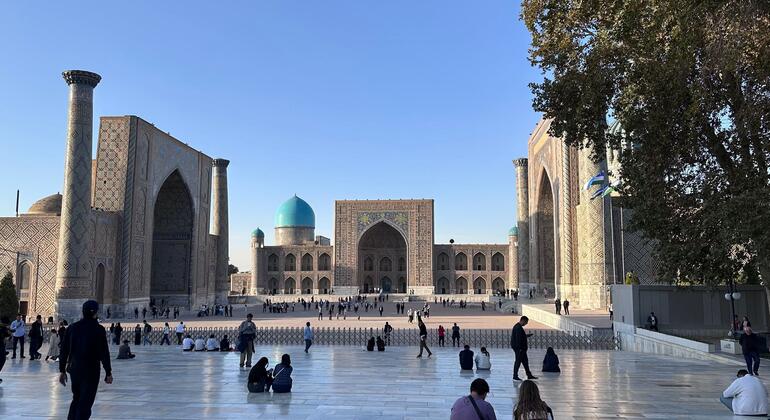
As Samarkand experiences a massive surge in tourism, city leaders and international organizations are working to ensure the UNESCO World Heritage site remains a "living museum" that serves both its residents and its millions of visitors. With visitor numbers climbing from approximately seven million in 2025 to an expected 14 million by the end of 2026, the city is navigating the complex challenge of modernizing infrastructure while protecting its ancient Silk Road identity.
Managing the "Living Museum"
At the heart of these efforts is the Silk Road International University of Tourism and Cultural Heritage. The institution is partnering with UN Tourism to establish Central Asia’s first tourism observatory, which will monitor the impact of visitors on local jobs, the environment, and the daily lives of residents. Beyond tracking data, the university is utilizing advanced technology, such as laser scanning, to monitor and preserve historic monuments, moving away from past restoration methods that relied on damaging materials like concrete and rebar.
Addressing Urban Renewal and Housing
The rapid influx of visitors has brought the issue of affordable housing to the forefront, aligning with this year’s World Cities Day theme. UN-Habitat is currently collaborating with the Uzbek government to develop the Samarkand Housing Profile. This project aims to guide the city’s master plan through 2040, focusing on upgrading traditional neighborhoods—known as mahallas—rather than replacing them.
“The best approach is to upgrade homes and services in place rather than replace them,” said Katja Schaefer, a UN-Habitat representative. The strategy emphasizes energy efficiency, sensitive renovation, and the inclusion of residents in urban planning decisions to ensure that the city’s growth does not come at the expense of its historic fabric or community life.
As Samarkand prepares for future connectivity through new high-speed highways and expanded rail links, the goal remains to foster a resilient, green, and liveable environment that honors its legacy as a historic crossroads of culture and innovation.
