
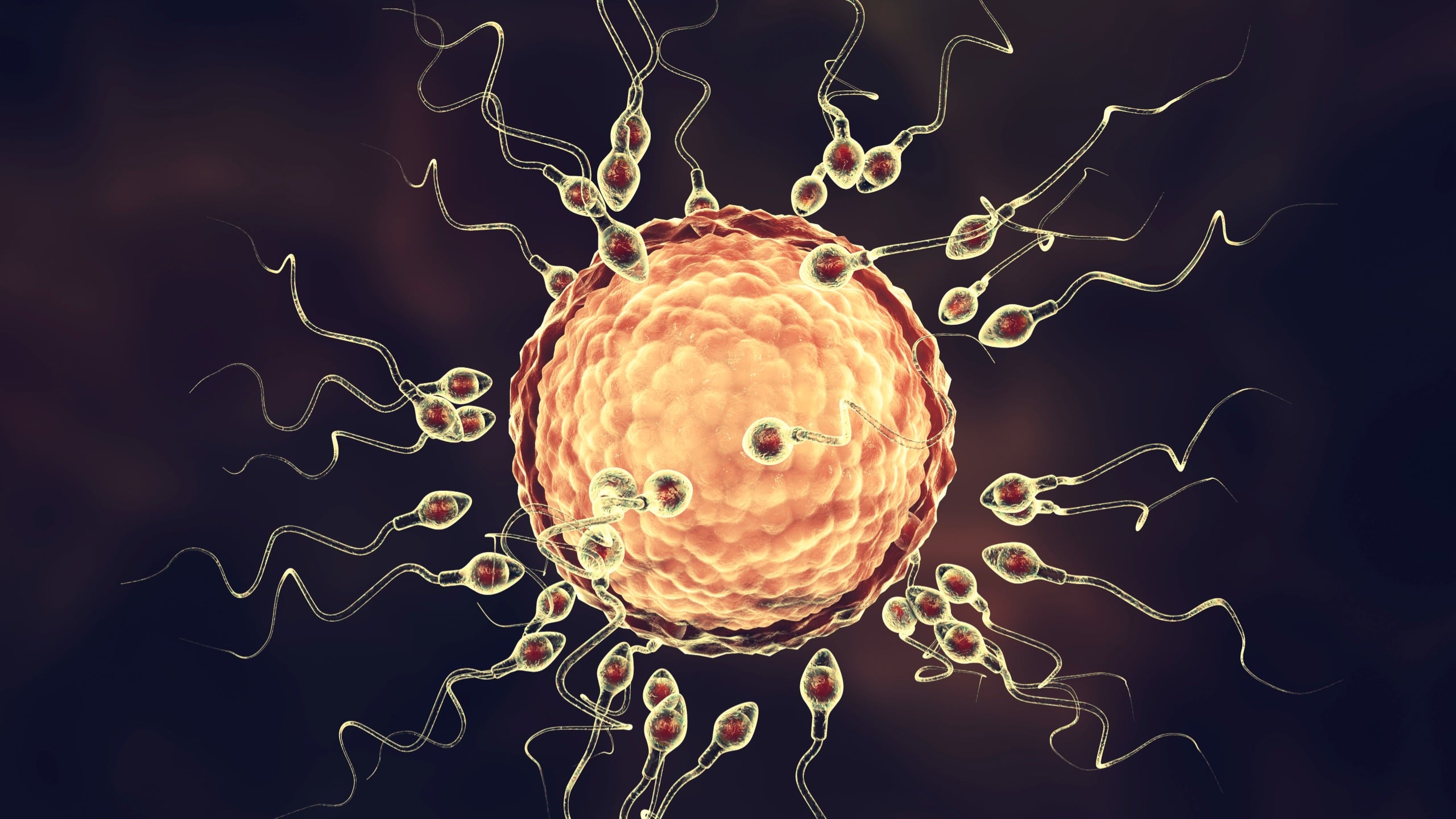
A study published in The EMBO Journal has identified a significant shift in the RNA composition of sperm as males age. While research into reproductive health has historically focused on female fertility, this new discovery highlights a previously overlooked "aging cliff" in male reproductive cells that could impact embryonic development.
A Molecular Shift in Sperm
Researchers led by urology expert Qi Chen from the University of Utah discovered that as mice reach midlife, the RNA fragments carried by their sperm undergo a distinct transition. Specifically, the sperm heads of older mice contain a higher proportion of long RNA molecules and fewer short fragments compared to their younger counterparts. When the team analyzed human donor samples, they observed a similar pattern, suggesting this molecular signature may be a conserved feature of aging across species.
Sperm deliver more than just DNA to an egg; they also carry RNA fragments that play a role in regulating early embryonic development. The study found that when RNA fragments mimicking those found in older sperm were introduced into mouse embryonic stem cells, they altered the activity of genes linked to metabolism and neurodegeneration. This suggests that the "sperm RNA code" may influence how genes are expressed in offspring.
Addressing the Male Infertility Gap
This research arrives at a time when global trends show parents are choosing to have children later in life. Despite male factors contributing to nearly half of all infertility cases, the biological mechanisms behind male reproductive aging remain poorly understood. Experts note that men are often sidelined in fertility treatments, with the burden of medical intervention frequently falling on women.
By identifying the enzymes responsible for these RNA shifts, researchers hope to develop future interventions to improve sperm quality. The team views this discovery as a critical step toward better understanding the long-term health of future generations and addressing the unrecognized burden of male infertility.
