
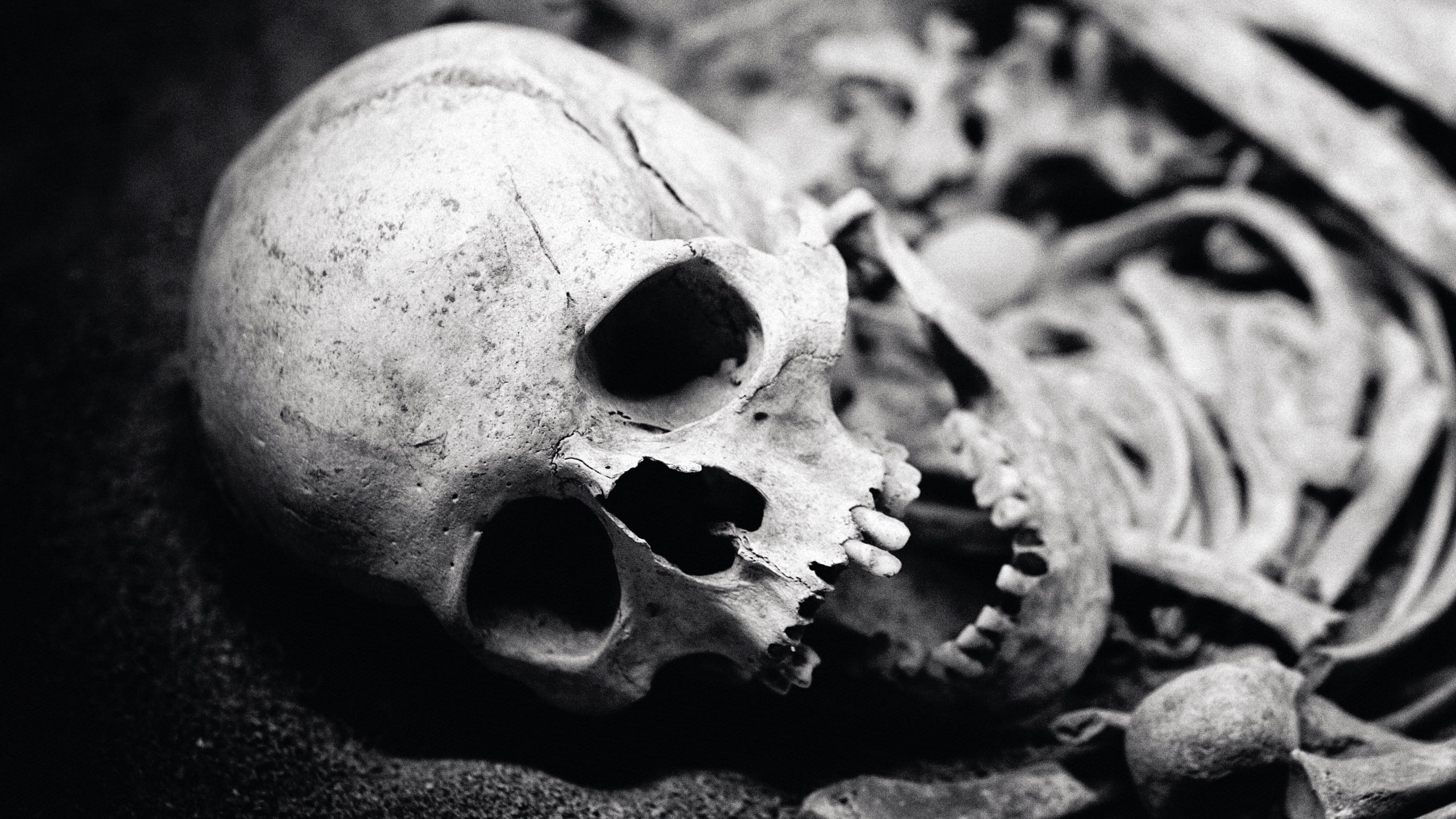
Researchers from the University of Southern Denmark and the Center for Isotope Research have issued a cautionary advisory for archaeologists following a puzzling discovery involving medieval skeletons in Denmark. Investigators found that certain human remains buried in Danish monasteries appeared to date back decades or even centuries before the monasteries themselves were constructed.
The anomaly stems from potential distortions in radiocarbon dating, a standard technique used to determine the age of ancient bones and artifacts by measuring carbon-14 isotopes. According to the scientists, the inaccurate dates are likely caused by the freshwater reservoir effect, a phenomenon where diets heavy in freshwater fish and resources can skew carbon isotope readings in human tissue.
To prevent similar dating errors in future excavations, the research team recommends testing medieval bones for elevated levels of nitrogen-15. When high levels are detected, specialized calibration models can be applied to yield a more accurate timeline of the remains.
The findings and methodological recommendations were detailed in a comment article published in the journal npj Heritage Science.
