
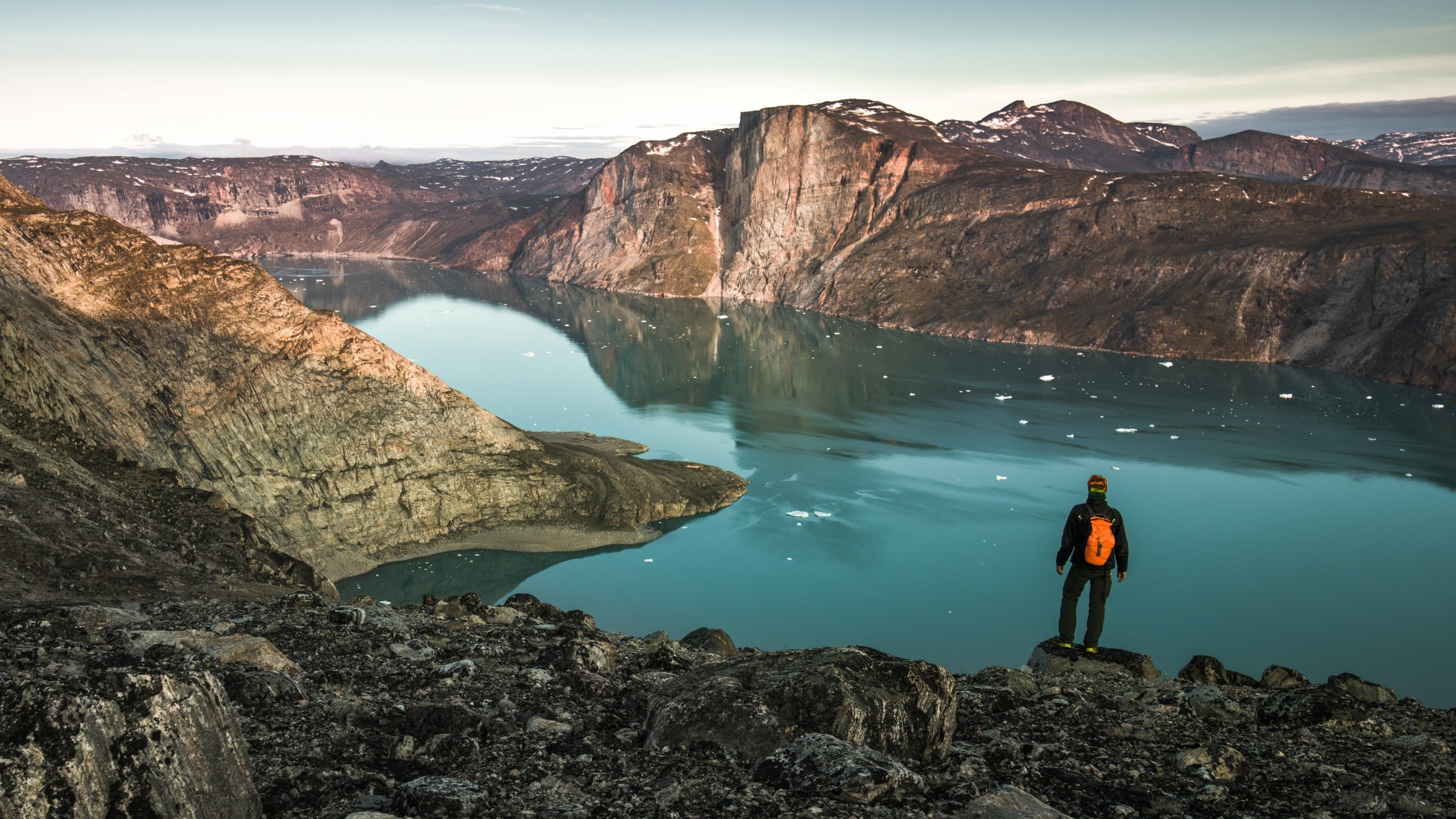
Geologists are warning that rapidly destabilizing mountain slopes in Greenland's fjords pose a significant and growing tsunami threat to local communities. The concerns follow a deadly 2017 megatsunami that struck the now-abandoned village of Nuugaatsiaq after a massive landslide dropped millions of cubic meters of rock into Karrat Fjord, resulting in four deaths and nine injuries.
In a study published in Communications Earth & Environment, lead researcher Marie Keiding and colleagues from the Geological Survey of Denmark and Greenland and the Norwegian Geotechnical Institute analyzed two newly identified unstable slopes within the Uummannaq Fjord system. Researchers attribute the increasing frequency and magnitude of these hazards in Arctic regions to progressive permafrost degradation driven by global warming.
A second, much larger unstable slope sits in Karrat Fjord just 3 kilometers west of the 2017 disaster site. Encompassing about 400 million cubic meters of material, researchers identify it as one of the largest mapped active unstable slopes globally. While its deep-seated deformation is relatively slow, a total collapse could generate waves exceeding 10 meters more than 100 kilometers away, threatening the entire fjord system.
