
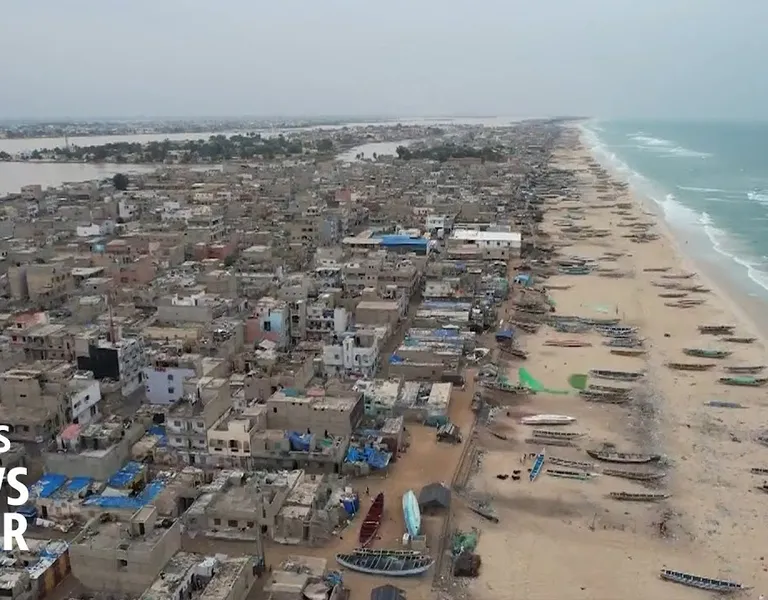
Senegal's coastal communities and agricultural regions are experiencing the severe frontline impacts of climate change, while questions persist over the delivery and accountability of international climate finance.
Climate Pressures and Uneven Support
In Senegal, rising sea levels and shifting weather patterns have eroded coastlines, swallowed homes, and diminished the quality of local fisheries. While a World Bank-funded, $75 million seawall project successfully protected commercial tourism infrastructure in areas like the Palm Beach Resort and Spa, critics note that vulnerable local populations have received far less tangible relief from international pledges.
In 2009, wealthy nations committed $100 billion annually to help less developed countries cope with climate change. However, policy advocates, including representatives from The ONE Campaign, report that tracking these funds remains difficult, with some donor nations categorizing fossil fuel projects or unrelated commercial ventures as climate finance.
Energy Equity and Migration Pressures
Local fishers and community leaders also face economic strain from depleted catches, foreign trawlers, and offshore oil and gas developments—such as projects involving BP and Kosmos Energy—where newly discovered gas is primarily exported to Europe. Although Senegal aims to expand renewable energy, government officials emphasize that natural gas remains a crucial bridge to supply electricity to citizens who still lack reliable power.
Without sustainable local livelihoods or sufficient aid, many young Senegalese face difficult choices. Thousands have undertaken dangerous maritime journeys to reach Spain's Canary Islands, highlighting the urgent intersection of climate displacement, economic hardship, and global policy gaps.
