
Serbia's Student Victory Raises Hopes of an EU Reset
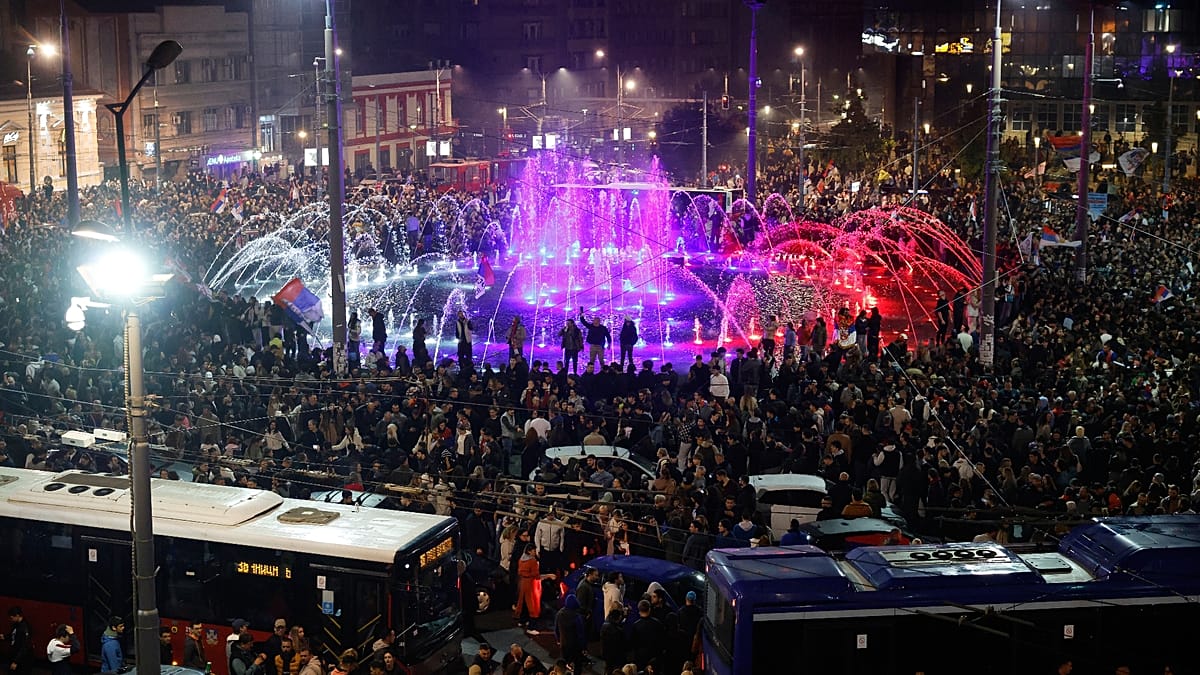
A landslide victory for the Student List in Serbia's parliamentary elections has sparked hopes that the country will mend ties with the European Union and relaunch its EU accession bid. The movement, born from months of student protest, secured an absolute majority in parliament, ending the 14-year rule of Aleksandar Vučić's Serbian Progressive Party (SNS).
The Student List's roots in a pro-democratic, anti-corruption movement are seen as an encouraging sign that Belgrade could align with EU values and push through much-needed rule of law reforms. However, the student movement is also heterogeneous, harbouring opposing views, and it remains unclear exactly what it stands for beyond opposing Vučić.
Senior EU officials have welcomed the result, with Enlargement Commissioner Marta Kos stating that "the door to the EU is open, and we are ready to move forward together." However, optimism in Brussels is tempered by history, including the murder of Serbian Prime Minister Zoran Đinđić in 2003 for pursuing a pro-Western agenda.
The Student List's programme focuses solely on domestic governance, with no clear stance on foreign policy. Russia sanctions and Kosovo's independence are among the main sticking points between Brussels and Belgrade, with the student movement refusing to align with EU measures and rejecting international recognition of Kosovo's independence.
The outcome of the election has sparked a key test for the Student List-led government, particularly in its treatment of Montenegro, the frontrunner to join the EU. The new government's stance on foreign policy will shape the country's relations with the EU and other partners.
