
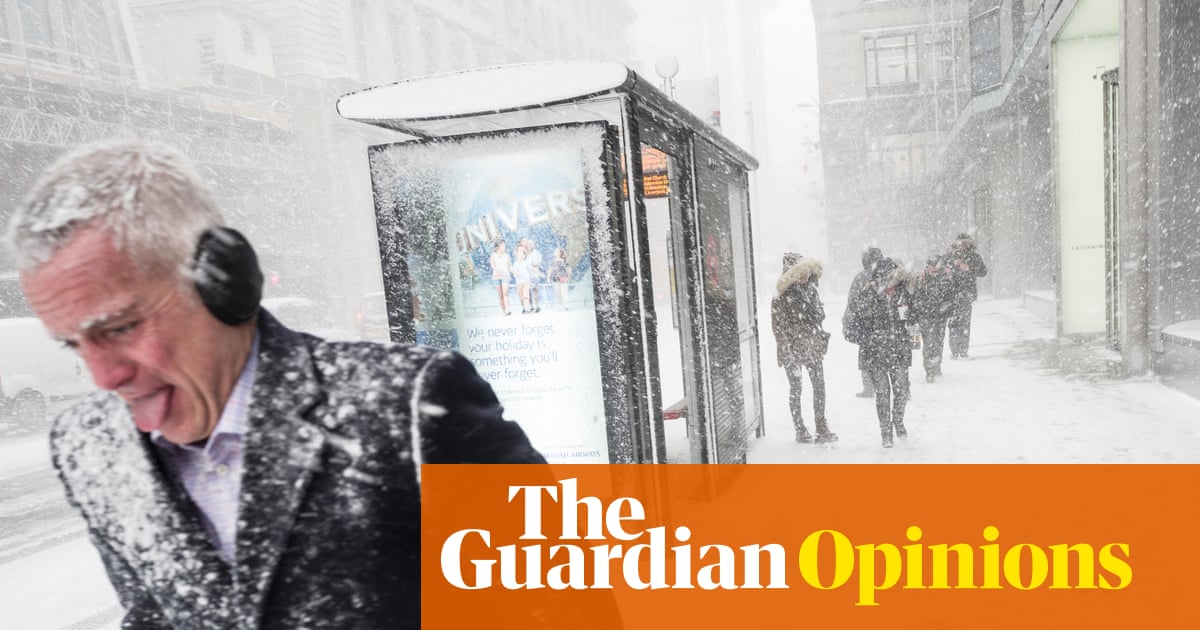
As the United Kingdom enters the coldest months of the year, Prime Minister Andy Burnham faces a significant political and economic challenge: balancing his promise of "growth in every postcode" against a deepening cost-of-living crisis. Despite government efforts to bridge the wealth gap, persistent regional disparities mean the most vulnerable areas remain the most exposed to rising inflation.
A Winter of Economic Pressure
The government’s ambition to revitalize struggling regions is being tested by a combination of rising energy costs and broader inflationary pressures. Ofgem is expected to confirm a 26% increase in the energy price cap starting in January, which would raise the typical annual household bill to £2,166. With headline inflation at 3.6% and potential to reach 5% next year, the Bank of England faces pressure to raise interest rates, which could further strain household budgets.
Analysis from the Centre for Cities highlights that inflation disproportionately impacts low-income areas in the north of England, the Midlands, and Wales. Because these households spend a larger share of their income on essentials like food and energy, they are more sensitive to price shocks. This exacerbates a long-standing issue: despite decades of policy promises, the gap in disposable income between the wealthiest and poorest regions remains largely unchanged.
Government Response and Outlook
The Burnham administration has implemented several measures to mitigate the squeeze, including a fuel duty freeze, a £100 energy rebate for specific council tax bands, and a universal VAT cut on electricity. However, charities argue these measures lack the necessary targeting to protect the most impoverished families effectively.
While the government faces a difficult winter, some economic indicators offer a glimmer of hope. Recent data shows food price inflation has slowed, and the global price of Brent crude has retreated from its October peaks. Additionally, the UK economy has shown unexpected resilience, bolstered by the integration of AI and falling unemployment rates. Nevertheless, with the potential for further interest rate hikes and the unpredictable impact of El Niño on global harvests, the path to achieving equitable growth remains a formidable task for the Prime Minister.
