
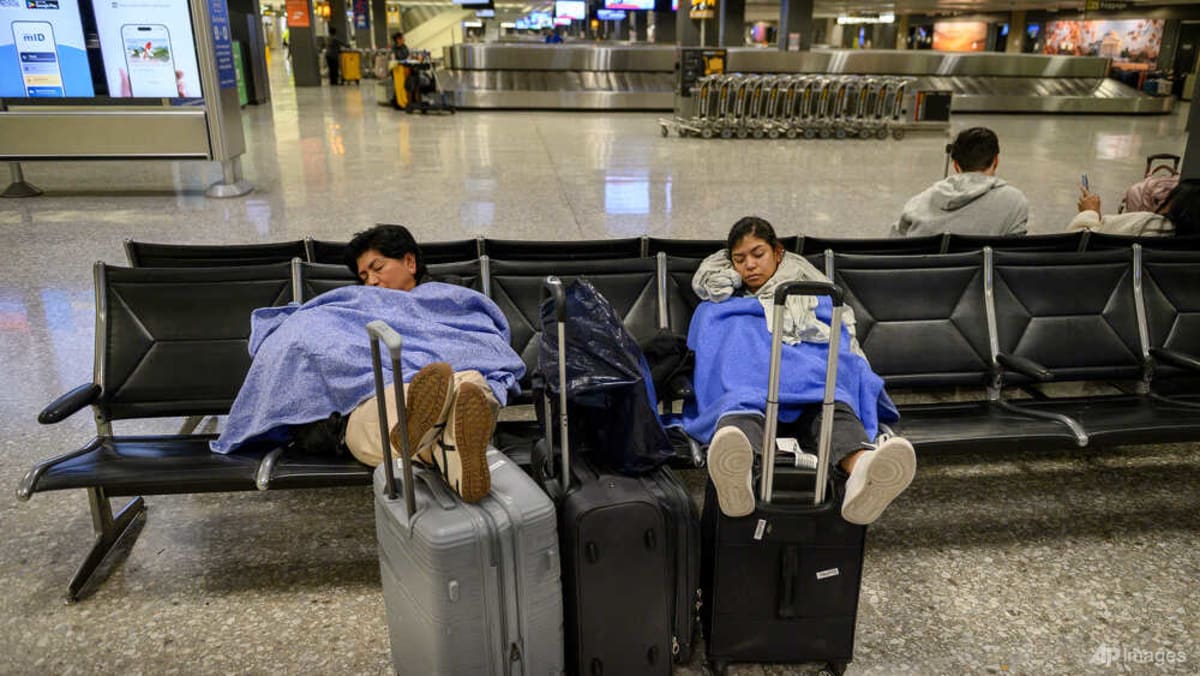
Federal Aviation Administration (FAA) head Bryan Bedford issued an apology for the severe disruptions, noting that operations were stabilizing and expected to largely return to normal by late Sunday. The crisis began Friday when the FAA implemented a nationwide ground stop halting nearly all departing flights for almost five hours due to a massive communications failure. That initial order forced airlines to scrap nearly 10,000 flights and delay over 7,000 others.
The White House convened an emergency meeting in the Situation Room on Friday as federal agencies investigated potential cyberthreats. However, Transportation Secretary Sean Duffy clarified on Saturday that the failure was triggered when FAA contractor L3Harris installed at least one new router at a remote facility. The installation overloaded data communications centers with over 1,000 connection attempts every few seconds, disrupting radar and air traffic controller communications across 17 of 22 en route centers nationwide.
Major carriers, including Delta, United, and American Airlines, canceled about 20 percent of their scheduled Saturday flights, while JetBlue grounded 40 percent. Although the ground stop was lifted Friday evening, stranded passengers, displaced flight crews, and disrupted college sports teams continued to face knock-on delays as airlines worked to reposition personnel and equipment.
Highlighting ongoing systemic strains from aging technology and controller shortages, Transportation Secretary Duffy urged Congress to approve US$50 billion to upgrade the nation's air traffic control systems.
