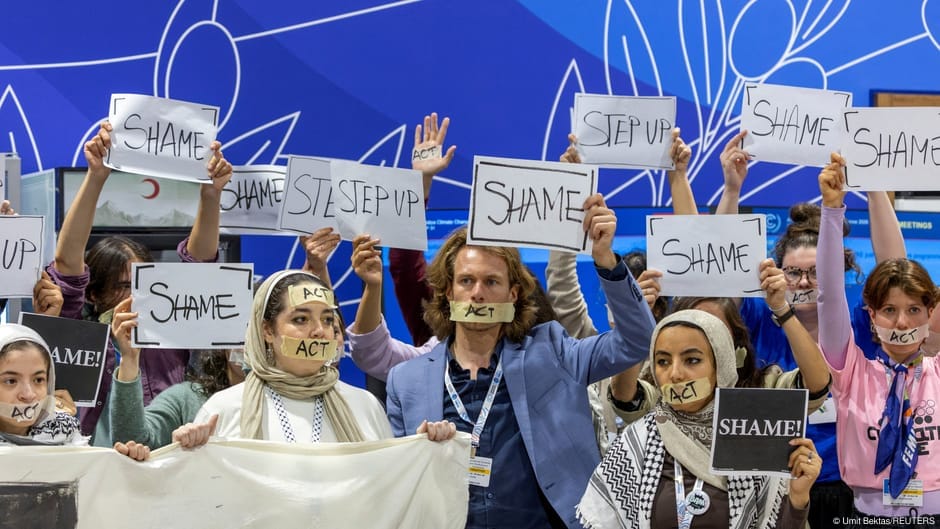
UN Climate Talks in Antalya Extend Into Overtime Amid Fossil Fuel Omissions Negotiators from nearly 200 countries remain in Antalya, Turkey, as the COP31 climate summit stretches into a second day of unscheduled overtime. The talks, originally slated to conclude on Friday, have reached a critical impasse over the final draft agreement, which notably excludes any explicit mention of fossil fuels—the primary drivers of global warming.

Stalled Negotiations and Contentious Drafts

The latest version of the text has drawn sharp criticism from civil society groups and climate activists. While the draft proposes a goal to increase electricity’s share of global energy use to 35% by 2035, it fails to mandate that this transition rely on renewable sources. Critics warn that the language is broad enough to allow for the continued use of coal and natural gas, while also promoting controversial carbon capture and storage technologies favored by the fossil fuel industry. COP31 President and Turkish Environment Minister Murat Kurum has urged delegates to reach a consensus, presenting a "final" text early Sunday morning. However, the lack of a clear commitment to phase out oil, coal, and gas has left many nations and NGOs deeply dissatisfied.

A Divide Over Funding and Responsibility

Beyond the omission of fossil fuels, the summit is grappling with a significant funding gap. Developing nations, particularly small island states facing existential threats from rising sea levels, have accused wealthy countries of failing to provide the financial support necessary for climate adaptation and disaster recovery. "COP31 is stuck for one simple reason: money," said Harjeet Singh, a strategic advisor to the Fossil Fuel Treaty Initiative. Activists argue that wealthy nations have prioritized "meaningless" transition roadmaps over the concrete financial commitments required to help vulnerable countries transform their economies. As the summit nears its conclusion, the atmosphere remains tense. With the venue largely packed up and negotiators working under a strict deadline to finalize the text, the outcome of COP31 remains uncertain. The summit is widely viewed as a pivotal moment for global climate policy, yet many observers fear the final agreement may fall short of the urgent action required to limit global temperature rise to 1.5 degrees Celsius.