
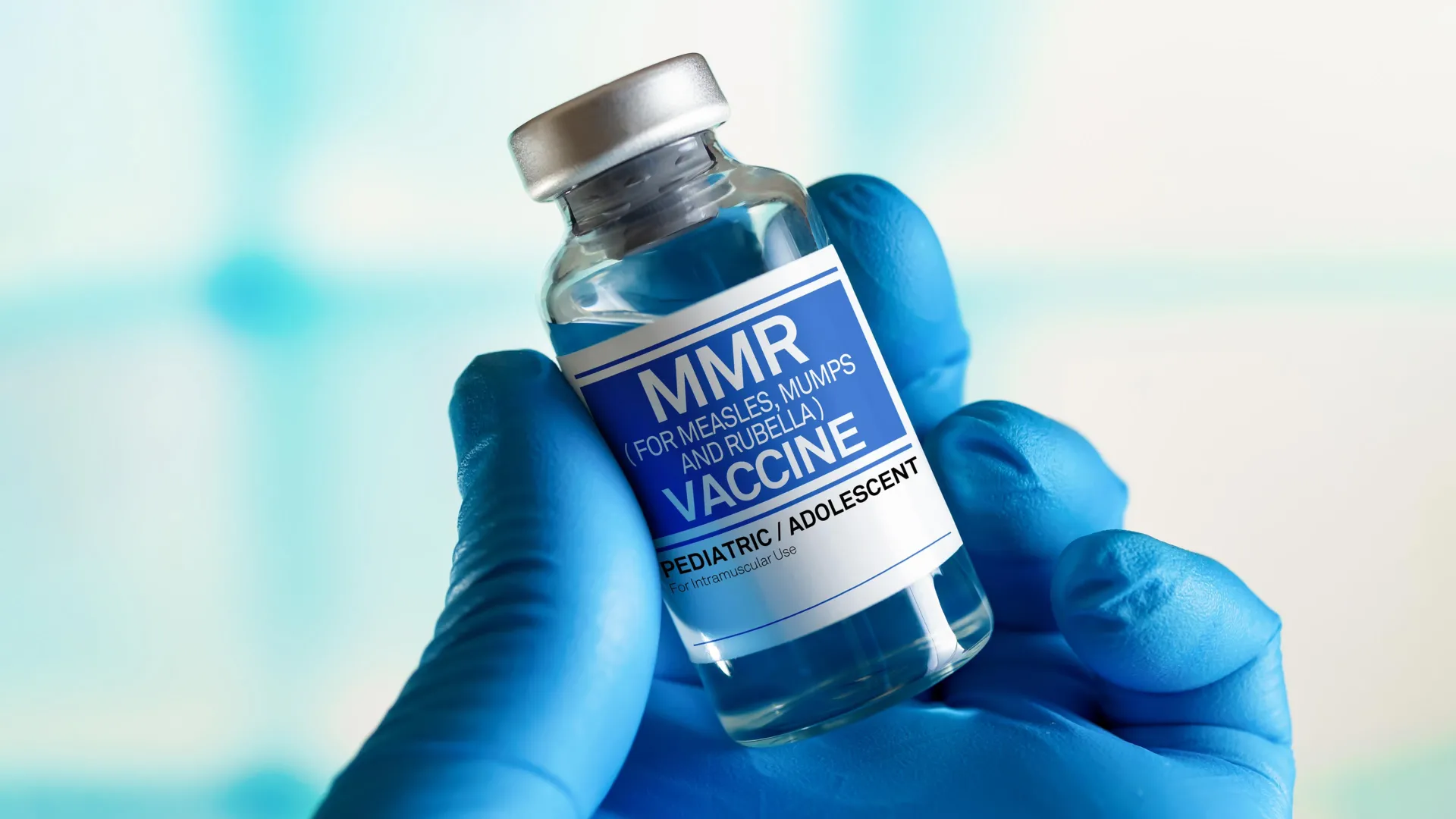
The United States has lost its measles elimination status after more than 25 years, according to a November 17, 2026, confirmation by the Pan American Health Organization. The milestone comes during the nation's worst measles resurgence in decades, driven by a drop in community immunity and persistent public misconceptions about vaccines.
A Significant Setback Amid a Resurgence
The U.S. first achieved measles elimination status in 2000, a designation confirming that the virus had not spread continuously within the country for 12 months or longer. However, the Centers for Disease Control and Prevention (CDC) reported 5,412 confirmed measles cases in 2026 as of November 12—more than double the 2,290 cases recorded throughout all of 2025.
Kathleen Hall Jamieson, director of the Annenberg Public Policy Center's Science of Science Communication Institute, noted that the loss of elimination status reflects the real-world impact of declining vaccination coverage. "Those who refused the MMR vaccine for themselves or their children and those who misled them into doing so have produced the tragic effects that science predicted would occur," Jamieson stated.
Persistent Misconceptions and Knowledge Gaps
Alongside the resurgence, a November 2026 Annenberg Science and Public Health survey conducted by SSRS highlighted widespread confusion regarding childhood immunization. While 64% of Americans correctly rejected the claim that measles, mumps, and rubella vaccines cause autism, 17% believed the claim was true and 19% were uncertain. Furthermore, nearly half of respondents (49%) believed fully vaccinated and unvaccinated children were equally likely to show signs of autism.
The survey also revealed significant knowledge gaps regarding the severity and prevention of measles:
- Mortality Risk: Only 9% of respondents correctly identified that about 1 in 1,000 children infected with measles are likely to die from complications, matching CDC estimates. Nearly 59% said they did not know, while 23% underestimated the risk.
- Vaccine Schedule: Just 34% of Americans correctly identified the recommended two-dose MMR schedule, while 49% were unsure. The CDC advises a first dose between 12 and 15 months of age, followed by a second dose between ages 4 and 6.
Public Trust in Health Leadership
Additionally, the survey measured public confidence in U.S. Health and Human Services Secretary Robert F. Kennedy Jr. Approximately 61% of respondents stated they were not confident that Kennedy provides trustworthy public health information, while 39% expressed confidence—figures that remain consistent with surveys conducted across 2025 and 2026.
