
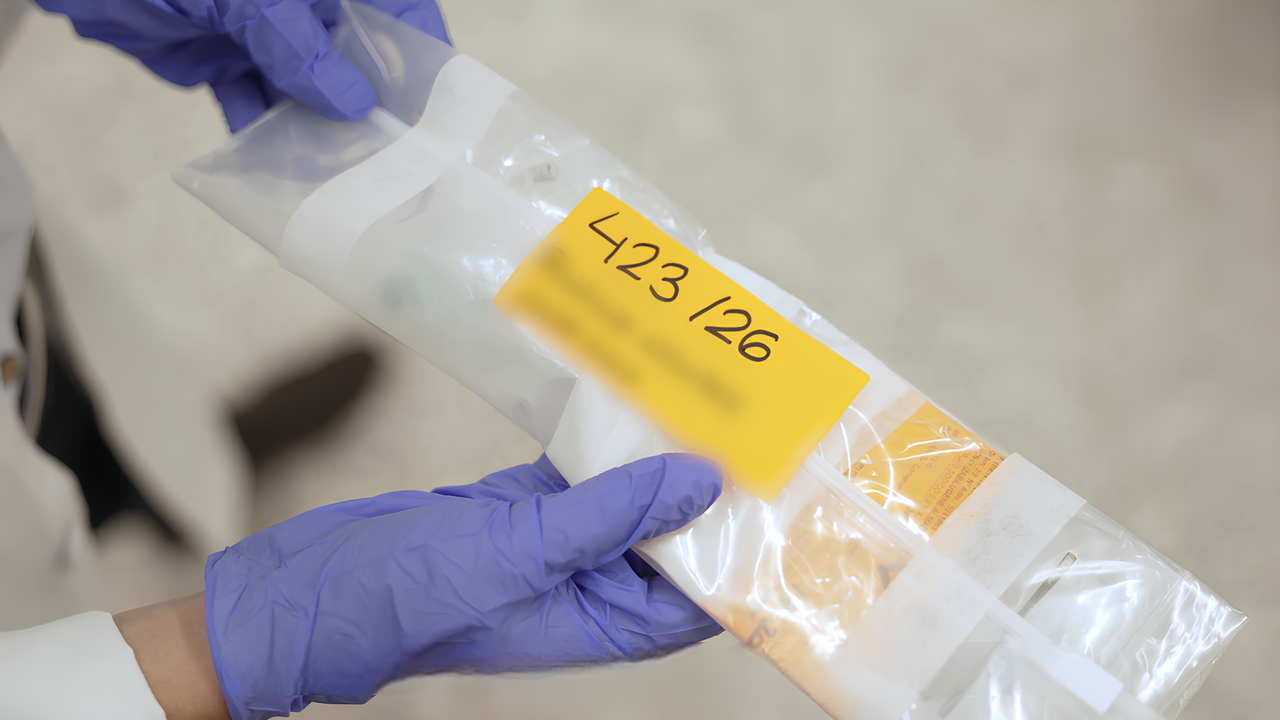
A recent international phase 2b clinical trial, known as Virage, has reported a significant breakthrough in the treatment of metastatic pancreatic ductal adenocarcinoma. Researchers found that the genetically modified oncolytic virus VCN-01, when administered alongside standard chemotherapy, improved patient outcomes compared to chemotherapy alone.
Breaking Through the Tumor Barrier
Pancreatic cancer is notoriously difficult to treat because it develops a dense layer of fibrous tissue, or stroma, which acts as a protective shield. This barrier typically prevents both chemotherapy drugs and the body’s immune cells from effectively reaching and destroying tumor cells. The VCN-01 virus is specifically engineered to target and break down these cells, potentially overcoming the resistance mechanisms that make this cancer so aggressive.
The study results showed that patients receiving the combination therapy achieved a median overall survival of 10.8 months, a notable increase over the 8.6 months observed in the control group treated with chemotherapy alone.
Future Therapeutic Combinations
Dr. García Carbonero, a lead expert involved in the research, highlighted the potential for integrating this viral therapy with other emerging treatments. Specifically, the mechanism of VCN-01 could be paired with therapies targeting the KRAS oncogene—a common mutation in nearly all pancreatic tumors—which has recently shown promise with drugs like daraxonrasib. Future clinical efforts will focus on evaluating the safety, tolerance, and efficacy of these combined therapeutic strategies.
