
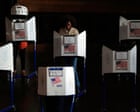
The high-stakes ballot features all 435 seats in the House of Representatives—where Republicans are defending a narrow majority—alongside 35 of the 100 seats in the Senate and various state-level positions, including governors. Democrats are seeking to flip enough seats in both chambers to secure majorities, which would grant them the power to block presidential legislation, launch congressional investigations, and alter the legislative balance of power.
Enthusiasm and engagement appeared high heading into Election Day, building on a robust early voting period that saw roughly 50 million Americans cast ballots ahead of time. Turnout surged across major Senate battleground states, outpacing previous midterm cycles and reflecting deep voter engagement driven by concerns over economic anxiety, inflation, foreign policy tensions, and federal immigration enforcement.
Because election administration and voting regulations are handled largely at the state level, procedures varied widely across the country, ranging from differing voter identification requirements to rules governing polling place conduct. Election officials have cautioned that due to the complexity of the races and close margins in key states, it could take days or even weeks for final, comprehensive results to emerge.
