
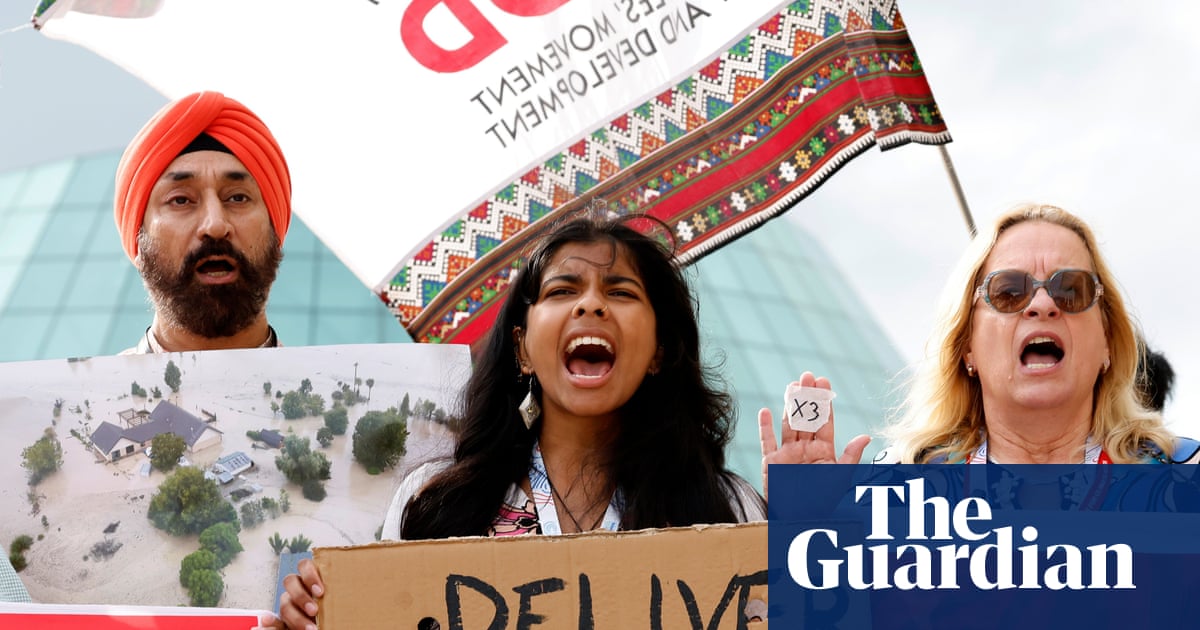
As the 31st UN climate summit enters its final days in Antalya, delegates face intense diplomatic battles and a looming scramble to finalize a comprehensive agreement on global climate action.
The negotiations, which bring together diverse nations ranging from wealthy petrostates to vulnerable island states, are grappling with deep divisions over finance, the transition away from fossil fuels, and strategies to handle the impending overshoot of the 1.5C global temperature target. Leaders and negotiators are expected to work through the night and into the weekend as they attempt to bridge competing interests.
Key sticking points include the pace of fossil fuel phase-outs, funding mechanisms to support climate adaptation in developing nations, and proposed targets to electrify the global economy. While a draft deal published earlier in the week retained references to fossil fuels, observers remain uncertain whether the language will survive final compromises. Meanwhile, momentum continues to build around a potential pledge to source 35% of the world's energy consumption from electricity by 2035, though debates persist over how strictly clean that power generation must be required to stay.
With deadlines fast approaching, delegates continue to debate the science, fairness, and practical enforcement of climate commitments as the summit heads toward its scheduled conclusion.
