
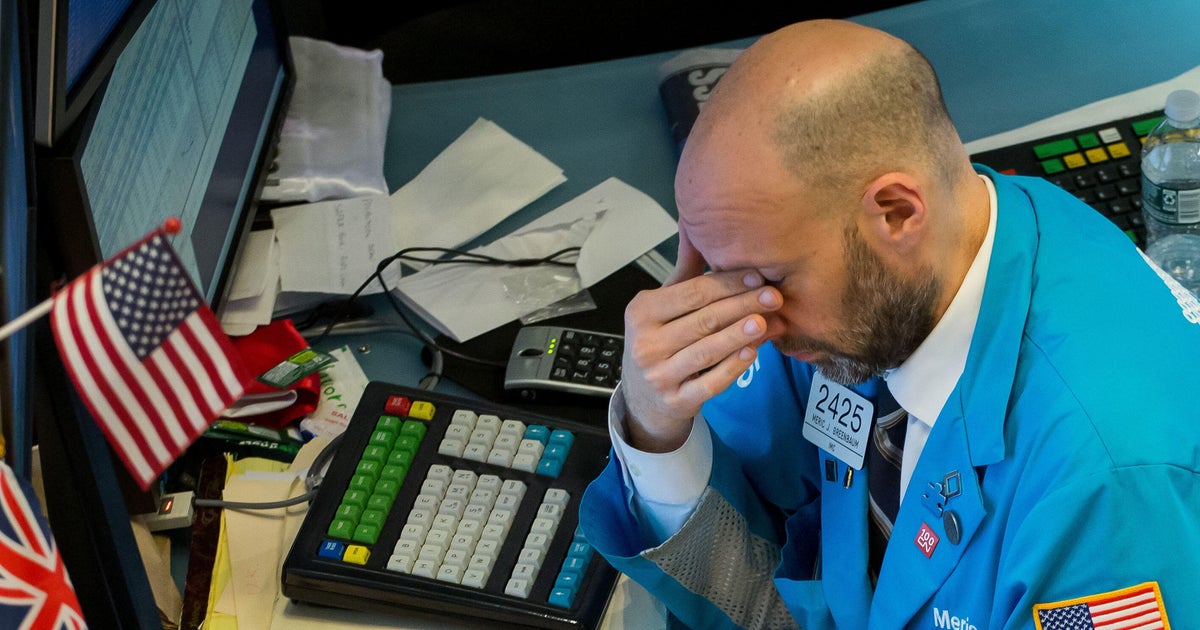
The stock market is currently navigating its most challenging period since the early days of the pandemic. Following a significant decline on Thursday, the S&P 500 extended its losing streak to seven consecutive days by Friday. The Nasdaq Composite Index bore the brunt of the volatility, dropping 1,261 points—a 5.3% decline—to close at 22,618. This performance marked the index's second-worst day of 2026 and effectively wiped out all of its gains for the year.
Wall Street analysts note that no single catalyst accounts for the plunge, but rather a slew of factors weighing on investor sentiment. With more than 90% of S&P 500 stocks trending downward, investors are grappling with a complex environment that has dampened market sentiment.
Why Markets Are Under Pressure
The current downturn is driven by a combination of factors that have created a difficult environment for investors:
- AI Investment Skepticism: Investors are increasingly concerned that the enormous spending on data centers and other infrastructure needed to power artificial intelligence may not deliver the hoped-for returns.
- Broad Market Weakness: The selloff has extended beyond tech. For example, Williams-Sonoma dropped 15.3% after reporting revenue that fell just below Wall Street forecasts, and Walmart sank 1.2% despite edging past profit expectations.
- Industry-Specific Struggles: Major players in the chip industry—often considered the face of the AI boom—have struggled with the same worries that have been dogging the entire sector.
Expert Guidance for Investors
Despite the current volatility, financial experts advise against panic-selling. History suggests that reacting impulsively to market dips can lead to significant losses that are tough to recover from.
Analysts note that investors are currently asking whether this is a "March 2000 moment" (pre-dot.com bubble) or a "Fall 2007 vibe" (financial crisis buildup). However, experts suggest that this is a painful tech sell-off that is heavily discounting the thesis that the "4th Industrial Revolution" will take place over the next few years, and that exiting the market now may be the wrong move. Rather than reacting to short-term fluctuations, experts suggest that investors remain informed and maintain a long-term perspective, noting that the market has historically navigated numerous peaks and valleys.
