
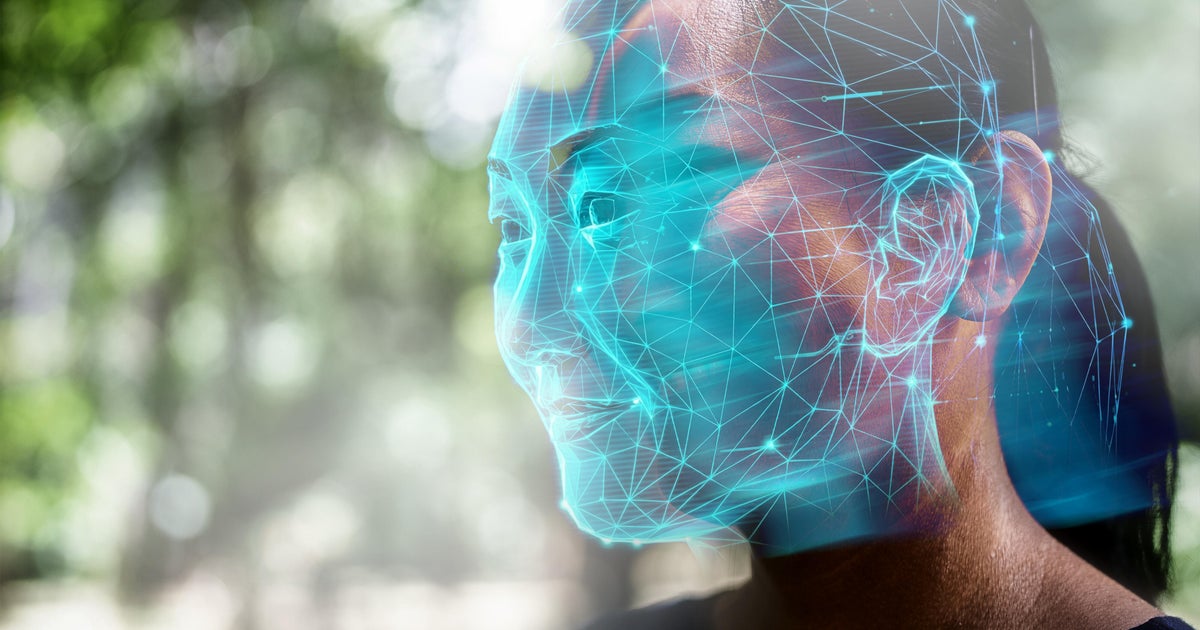
Artificial Intelligence Deepfakes Threaten Consumers and Elections
Rapid advances in artificial intelligence have made creating hyper-realistic deepfake images, audio recordings, and videos remarkably simple. Security experts warn that bad actors are leveraging these tools to bombard consumers with sophisticated scams, spread widespread disinformation, and deceive voters during political cycles. Because these synthetic media creations can seamlessly mimic the likenesses and voices of trusted public figures, celebrities, and everyday individuals, identifying fraudulent content has become an immense challenge for the general public.
The ability to churn out manipulated media at scale has introduced severe security concerns across multiple sectors. As deceptive tools grow more sophisticated and traditional visual flaws disappear, individuals and businesses face rising rates of fraud and eroding public trust.
The Rising Tide of Political Deepfakes
In the political arena, AI-generated content has escalated dramatically ahead of the 2026 midterm elections. According to data from the Wesleyan Media Project, political campaigns spent more than $137 million on at least 220 AI-generated ads by mid-October—a massive jump compared to less than $50,000 tracked during the 2024 cycle. Many of these modern campaign advertisements feature deepfakes of candidates without any disclosure from their creators.
Examples of manipulated media impacting political races include a phony social video in Texas targeting Senate candidate James Talarico, which falsely purported to show a former student accusing the Democrat of sexual misconduct. Security specialists note that even when viewers suspect an advertisement is fake, the provocative visuals still leave a lasting impression and shape public opinion. Michael Kaiser, CEO of Defending Digital Campaigns, points out the broader societal consequence: when citizens can no longer differentiate between real and fake information, they begin questioning everything, which ultimately erodes trust in the democratic system.
Consumer Vulnerability and Corporate Fraud
Everyday consumers are similarly struggling to recognize synthetic media, leaving them highly exposed to social engineering attacks. According to Doppel, a social engineering defense platform, fewer than 10% of people can accurately spot an audio deepfake. In platform testing, only 8% of individuals realized they were speaking to an AI agent during a phone call, while 92% believed they were conversing with a human.
Businesses are also experiencing a surge in deception. Veriff, an AI-powered identity verification company, documented a 300% increase in deepfake-related fraud attempts against enterprises in 2026 compared to the previous year. Experts from the firm outline common consumer-targeted schemes:
- Imposter Loans: Bad actors use cloned voices of friends or relatives to call individuals and urgently request financial loans.
- Medical Emergencies: Fraudsters impersonate close acquaintances claiming they need immediate assistance to pay off unexpected medical bills.
- Misleading Visual Tests: Research from Veriff demonstrates that 70% of people misidentify deepfake videos of human characters as entirely authentic, often relying on outdated visual cues like odd teeth or skin textures that modern AI tools have successfully eliminated.
Combating the Synthetic Media Threat
As deepfake generation transitions from requiring complex software like Photoshop to simple text prompts, security professionals advise extra caution when handling unexpected requests. Experts recommend hanging up on suspicious callers and directly contacting the purported friend or relative through an independent channel or known phone number to verify their true identity.
Furthermore, the ubiquity of hyper-realistic media is breeding a general skepticism where authentic photographs are frequently doubted by the public. Safeguarding against widespread manipulation requires heightened awareness, verified communication channels, and continued technological defenses to preserve institutional and personal trust.
