
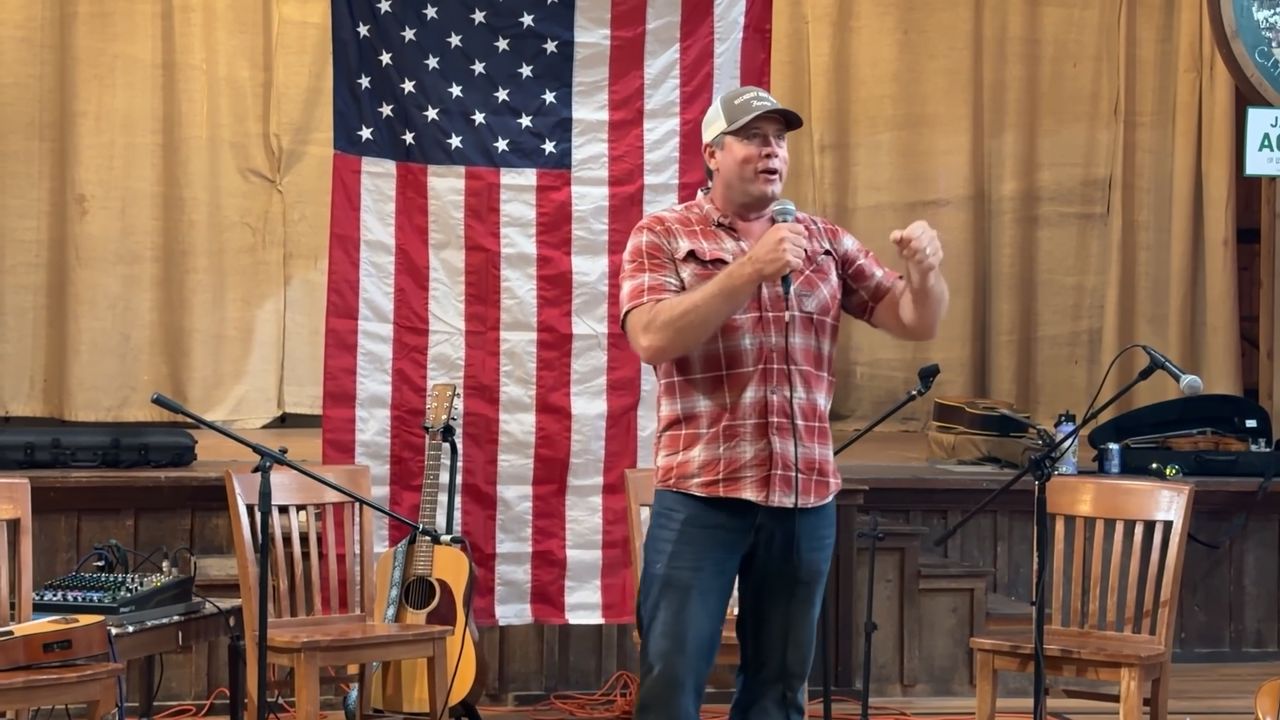
The landscape of political campaigning in North Carolina is shifting as artificial intelligence becomes a prominent tool for both messaging and opposition research. In the race for the state's 11th Congressional District, the use of AI-generated content has sparked controversy, legal threats, and a broader debate about the integrity of information reaching voters in the final stretch of the midterm elections.
The tension centers on an attack ad produced by the National Republican Congressional Committee (NRCC) targeting Democratic candidate Jamie Ager. The ad, which Ager’s campaign alleges is entirely AI-generated, has drawn sharp criticism from his team, who argue that the technology is being used to distort the truth. Simultaneously, a drag queen featured in a separate political ad has issued a cease-and-desist letter to Republican candidate Jennifer Balkcom and the North Carolina GOP, claiming her likeness was utilized without authorization.
The Rising Cost and Prevalence of AI in Politics
The use of AI in the 11th District is not an isolated incident but part of a massive national trend. According to tracking data from Wesleyan University, political campaigns and various political action committees have invested more than $137 million into AI-driven advertisements during this election cycle alone. This influx of capital suggests that campaigns increasingly view AI as a cost-effective or high-impact method for reaching voters, even as the technology raises significant ethical questions.
Political experts warn that the rapid adoption of these tools is fundamentally altering how voters perceive reality. Michael Bitzer, a political science professor at Catawba College, notes that the technology allows for the manipulation of facts, the removal of context, and the mimicry of voices to make individuals appear to say things they never actually uttered. This capability has fueled a growing sense of skepticism among the electorate regarding the authenticity of campaign materials.
Voter Skepticism and the Regulatory Gap
A significant factor contributing to this uncertainty is the lack of clear regulatory oversight in North Carolina. While 31 states have enacted laws to regulate the use of deepfakes in political messaging, North Carolina is not currently among them. When questioned about the lack of disclosure regarding AI usage in their ads, the NRCC stated that they are in full compliance with North Carolina law, which does not mandate the labeling of AI-generated political content.
The Path Forward
As the midterm elections conclude, the controversy in the 11th District highlights a widening gap between technological capability and legislative guardrails. While the NRCC maintains that its ads address legitimate issues that voters deserve to hear, opponents argue that the reliance on AI undermines the democratic process by prioritizing manufactured narratives over factual discourse. With no state-level disclosure requirements in place, the burden of verifying the authenticity of political advertisements currently falls heavily on the voters themselves.
