
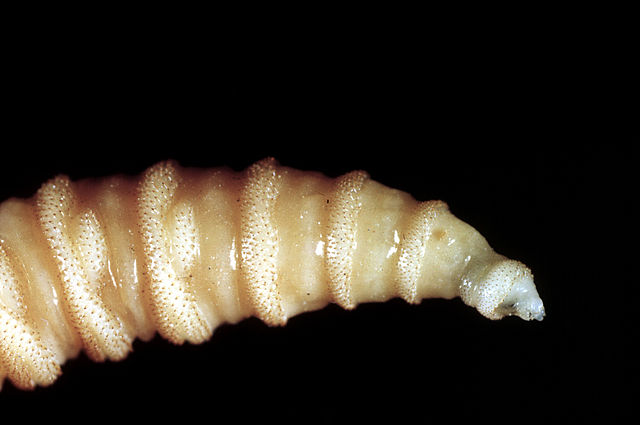
A disturbing parasitic threat has expanded its reach across the American Southwest, with health officials confirming that New World Screwworm (NWS) infestations have now spread into Arizona. This week alone, four dogs and one cat have fallen victim to the flesh-eating larvae, marking a significant escalation in an outbreak that has been moving through the region since early summer.
The arrival of the parasite in Arizona adds to the ongoing crisis in Texas and New Mexico. Since the flies first re-invaded the United States in June, authorities have documented 74 confirmed cases of animal infestation. The rapid spread of these insects has prompted urgent warnings for pet owners and livestock managers to remain vigilant regarding the health and skin integrity of their animals.
Understanding the New World Screwworm
The New World Screwworm is not a typical fly larva; it is a highly destructive parasite that targets living tissue rather than decaying matter. The life cycle begins when an adult female fly deposits hundreds of eggs into open wounds, cuts, or moist body orifices of a host animal. Once hatched, the larvae—which earn their name from their screw-like appearance—begin to feed.
The feeding process is particularly aggressive and painful for the host. The maggots burrow and twist deep into the living flesh, creating severe, cavernous wounds. If left untreated, these infestations can quickly become fatal. Once the larvae have matured, they drop from the host to the ground, where they pupate and eventually emerge as adult flies to continue the cycle.
Monitoring and Prevention
Because the maggots thrive in any moist opening, even minor scrapes or insect bites can become entry points for the flies. Pet owners in affected states are encouraged to perform daily physical inspections of their animals, paying close attention to:
- Any unexplained wounds or sores that appear to be festering.
- Signs of unusual discharge or foul odors coming from an animal's skin.
- Behavioral changes, such as excessive scratching or licking of a specific area.
- Visible movement or debris within an open wound.
Veterinarians emphasize that early detection is the most effective way to prevent severe tissue damage. If an owner suspects an infestation, immediate professional medical intervention is required to remove the larvae and treat the underlying wound to prevent secondary infections.
As the infestation continues to move across state lines, the total case count of 74 serves as a stark reminder of the parasite's persistence. With the flies now established in three states, the focus remains on containing the spread and protecting domestic animals from these voracious pests.
