
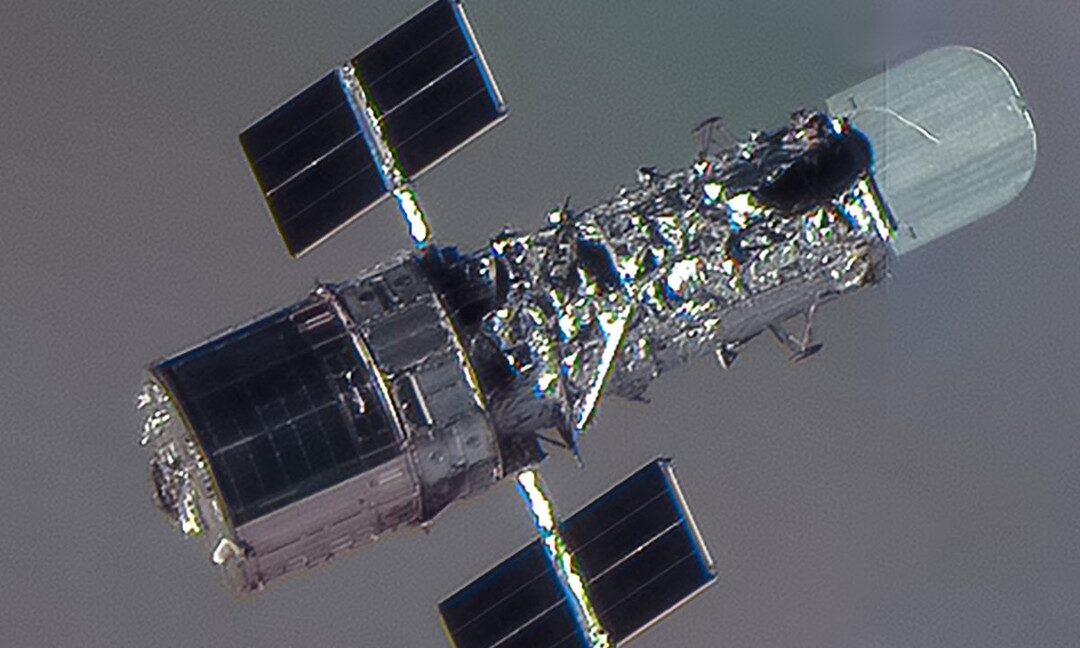
For over three decades, the Hubble Space Telescope has served as a cornerstone of modern astronomy, capturing iconic images of the cosmos. However, the aging observatory is currently in a slow, inevitable descent toward Earth. Without intervention, atmospheric drag will eventually pull the telescope out of orbit, likely leading to its destruction in the mid-2030s. With the Space Shuttle fleet long retired, NASA is now turning to the private sector to determine if the legendary instrument can be saved or safely managed.
The last time Hubble received a boost to its altitude was in 2002 during a mission by the Space Shuttle Columbia. While a final servicing mission occurred in 2009, it did not include an orbital reboost. As the telescope continues to lose altitude, NASA has officially opened a window for commercial partners to propose solutions that could extend its life or ensure its final moments are handled with precision.
Seeking Commercial Solutions
- Orbital Reboost: The primary goal is to identify methods to capture the telescope and raise its altitude to at least 373 miles (600 km), which would significantly delay its atmospheric reentry.
- Performance Enhancement: NASA is open to ideas regarding how commercial technology could be used to service or upgrade the telescope’s existing systems to improve its scientific output.
- Controlled Disposal: If a reboost is not feasible, the agency is seeking strategies for a guided, controlled reentry to ensure the telescope does not pose a risk during its final descent.
The Future of an Iconic Observatory
The RFI represents a shift in how NASA approaches the maintenance of its legacy assets. By leveraging the growing capabilities of the commercial space industry, the agency hopes to find a cost-effective way to preserve Hubble’s scientific utility. The telescope remains a highly productive instrument, and extending its mission would allow astronomers to continue utilizing its unique vantage point for years to come.
Whether the solution involves a robotic docking mission or a new approach to orbital maintenance, the responses received by the end of November will be critical in determining the next chapter for Hubble. For now, the telescope continues its orbit, waiting to see if a new generation of spacecraft will be the ones to secure its legacy.
