
The artificial intelligence sector is currently navigating a significant shift in capital availability, as the era of easy money gives way to a more selective lending environment. While AI-focused companies have collectively raised $300 billion in high-grade debt so far this year—roughly triple the amount raised last year—the market is increasingly bifurcating between established tech giants and smaller, specialized data center providers.
The Growing Divide in AI Financing
Market analysts and industry leaders are observing a widening gap in credit quality. The industry is effectively splitting into two tiers: major hyperscalers, which possess the financial stability to absorb higher borrowing costs, and smaller firms, often referred to as "neoclouds," which are finding it increasingly difficult to secure funding as debt markets tighten.
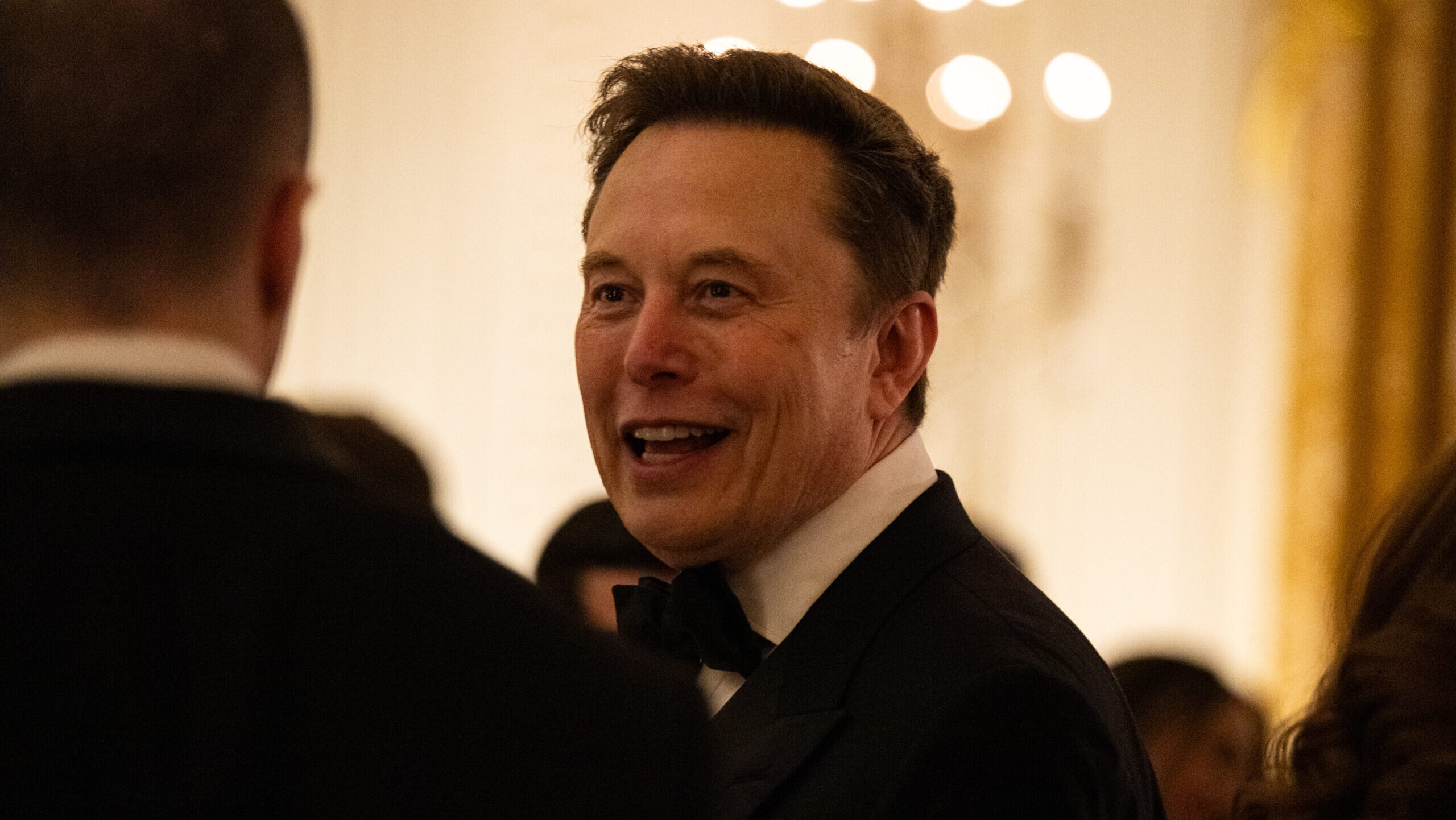
Elon Musk, CEO of SpaceX, recently characterized this shift by noting that debt markets have almost entirely shut off access to money for any company that doesn’t have substantial revenue independent of AI data centers. Musk predicts that this capital squeeze will likely lead to the consolidation or failure of over 200 smaller data center operators, which he described as "guppies" in a shrinking pool of liquidity.
Strategic Shifts for Industry Leaders
In response to the tightening credit environment, major players are detailing new financing plans to maintain their aggressive infrastructure buildouts. These companies are navigating a landscape where smaller players, such as CoreWeave, have seen credit swaps priced at a nerve-rattling 60% chance of default:
- SpaceX: The company is securing a $40 billion debt financing deal for GPUs to support its operations.
- Meta: The social media giant detailed plans on Monday for a $95 billion AI financing plan to support its ongoing development.
Broader Market Implications
The pressure on the AI industry is occurring against a backdrop of high-stakes infrastructure investment. While some sectors of the tech supply chain remain robust—such as TSMC, which recently announced record third-quarter revenue of $46.7 billion, up 50% year-over-year—the high cost of capital is creating volatility for companies that lack the scale of the major hyperscalers.
As the industry moves forward, the ability to secure capital will likely remain the primary differentiator between the companies that can sustain their AI ambitions and those that will be forced to exit the market.
