
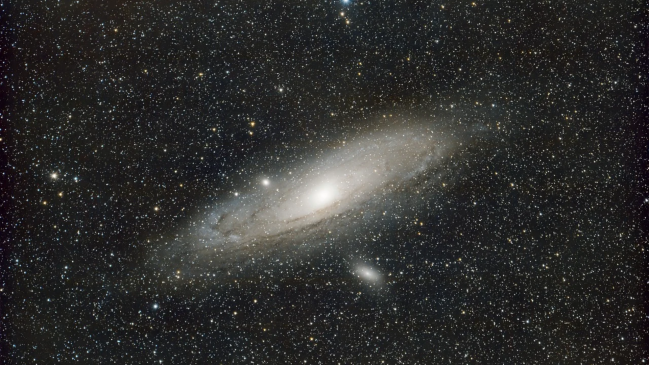
NASA is preparing to tackle some of the deepest mysteries surrounding cosmic evolution through a new astrophysics initiative known as the PRIMA mission. Designed to peer past opaque cosmic barriers, the program will leverage specialized instrumentation to uncover how fundamental structures in space first formed and developed over billions of years.
To ensure the mission succeeds in the harsh environment of space, NASA has enlisted industry support to build and test the vital infrastructure required to keep the observatory functioning.
Unlocking Cosmic Secrets with Far-Infrared Vision
At the core of the PRIMA mission is a highly sensitive far-infrared space telescope equipped with a 1.8-meter diameter mirror. Traditional optical telescopes often struggle to view crucial astronomical processes because dense clouds of dust and gas obscure visible light. By observing the cosmos in far-infrared wavelengths, the telescope can effectively penetrate these obscured regions.
This capability allows scientists to study the hidden mechanisms behind the formation of:
- Stars and planetary systems
- Galaxies across different epochs
- Water distribution over time
By capturing this data, PRIMA will bridge a critical observation gap between NASA's James Webb Space Telescope and ground-based radio observatories, ultimately offering a comprehensive view of how the universe evolved from its early formation to the present day.
The Role of the Evolve+ Spacecraft Bus
Supporting the telescope's demanding operational needs requires a reliable and robust foundation. BAE Systems has been selected to provide its Evolve+ spacecraft bus for the mission. This key platform houses and supports the observatory's essential systems, enabling the telescope to operate reliably in space.
In addition to supplying the spacecraft bus, BAE Systems will lead the observatory's assembly, integration, and testing (AIT) activities. This ensures that the delicate scientific instruments and the spacecraft bus are seamlessly combined and fully prepared to withstand the rigorous conditions of spaceflight. Furthermore, the company will serve as the operations and ground lead for NASA’s Jet Propulsion Laboratory (JPL), which manages the mission.
Mission Timeline and Outlook
The PRIMA program is presently advancing through Phase B development. Following a NASA confirmation review, the project will move forward toward full implementation, with an official target launch date set for 2033 for an initial five-year mission.
As NASA expands its broader astrophysics portfolio, missions like PRIMA underscore the growing reliance on advanced spacecraft platforms and precise engineering. By peering deep into dusty star-forming regions, the initiative promises to shed light on the complex processes that shaped our universe and continue to influence its ongoing development.
