
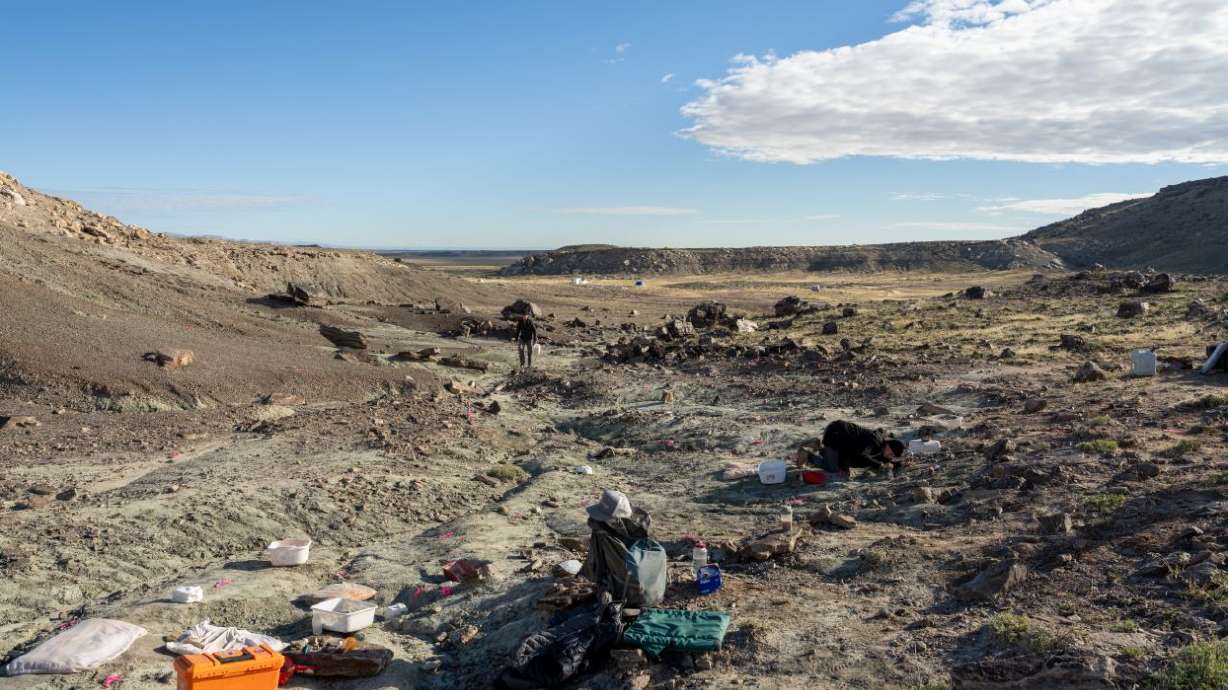
Paleontologists in eastern Utah have launched excavations at a new dinosaur dig site near Arches National Park that experts believe could represent the oldest Cretaceous dinosaur bonebed in North America.
Dating a Unique Geologic Transition
The remarkable age of the Moab bonebed places it squarely in a transitional window between two major geologic periods: the end of the Jurassic and the beginning of the Cretaceous. Because fossils from this specific epoch are rare in North America, scientists are paying close attention to the layers of earth being uncovered.
Researchers are optimistic that analyzing the site will yield crucial clues about a lesser-understood mass extinction event that occurred during the Jurassic-Cretaceous boundary. Discovering well-preserved remains from this exact timeline helps bridge significant gaps in the paleontological record.
Potential for a New Dinosaur Species
Beyond shedding light on prehistoric climate and extinction shifts, the geological age of the Moab site raises the strong possibility of uncovering animals previously unknown to science. As excavation crews carefully remove surrounding rock and sediment, they are cataloging skeletal material that may formally establish a brand-new dinosaur species unique to this ancient North American ecosystem.
