
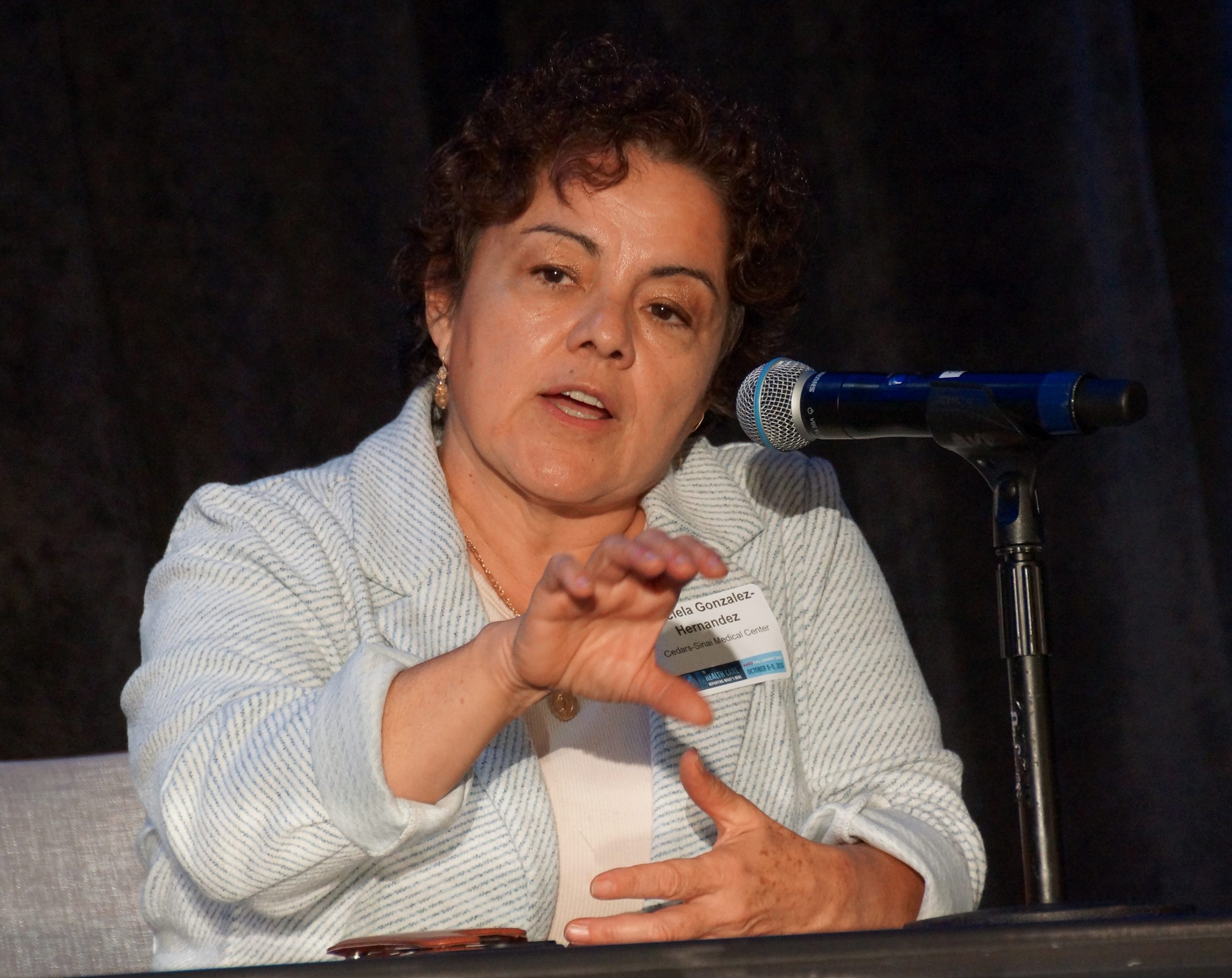
As artificial intelligence rapidly transforms clinical practice, medical educators face a profound challenge: how to train future physicians to effectively use advanced tools without eroding their core clinical instincts. Experts recently addressed this dilemma during the Association of Health Care Journalists fall summit in Los Angeles, discussing the fine line between helpful medical assistance and dangerous over-reliance.
The Risks of "Never-Skilling" in Clinical Training
The integration of artificial intelligence into medical education carries both immense promise and hidden perils. While the technology can help physicians identify rare conditions, streamline administrative workloads, and accelerate clinical reasoning, it also threatens to short-circuit essential learning processes.
A recent survey of 15,000 family medicine residents highlighted the scope of daily adoption:
- 71% of surveyed residents reported using AI over the past month for tasks like searching medical literature and clinical decision support.
- Just over a third of those respondents had received any formal training on how to use AI tools during the preceding six months.
Experts warn that this widespread, unguided use can foster "never-skilling," a phenomenon where trainees rely entirely on automated outputs rather than developing foundational clinical reasoning. To illustrate the danger, Stanford University's Tina Hernandez-Boussard compared medical training to modern commercial aviation. Pilots rely heavily on autopilot, she noted, but must retain the ability to take the steering wheel and land the plane manually when technology inevitably fails.
That vulnerability was vividly demonstrated when a team of American medical residents on a mission trip in Uganda lost power, rendering their AI heart-scan interpretation tool completely dark. Left to read scans manually, the doctors hesitated, uncertain of their unassisted skills.
Reimagining Medical Education for an AI-Driven Era
Rather than attempting to police student AI use—an approach panelists dismissed as a futile distraction akin to playing cat-and-mouse over cheating—educators are beginning to adapt their frameworks.
Graciella Gonzalez Hernandez of Cedars-Sinai Medical Center emphasized that faculty must act as facilitators who teach responsible implementation. At the same time, maintaining human judgment remains vital so doctors can spot system errors or hallucinations. To counter passive observation, some educators intentionally design exercises that strip away digital tools entirely, running scenarios "with paper, pencil and a heart."
Academic institutions are also forging formal pathways to integrate technology safely. Johns Hopkins Medicine announced a partnership with OpenEvidence, a medical AI platform, designed to deliberately train future clinicians in an "AI native environment." Sanjay Desai, vice dean for education at Johns Hopkins, noted that the arrival of these tools invites the medical field back to the bedside with unprecedented capabilities, provided they are paired with rigorous, deliberate instructional design.
As experts emphasize, automated medical systems ultimately remain reflections of human capability and expertise. As Gonzalez Hernandez noted, "There’s actually a whole base of human knowledge behind it."
