
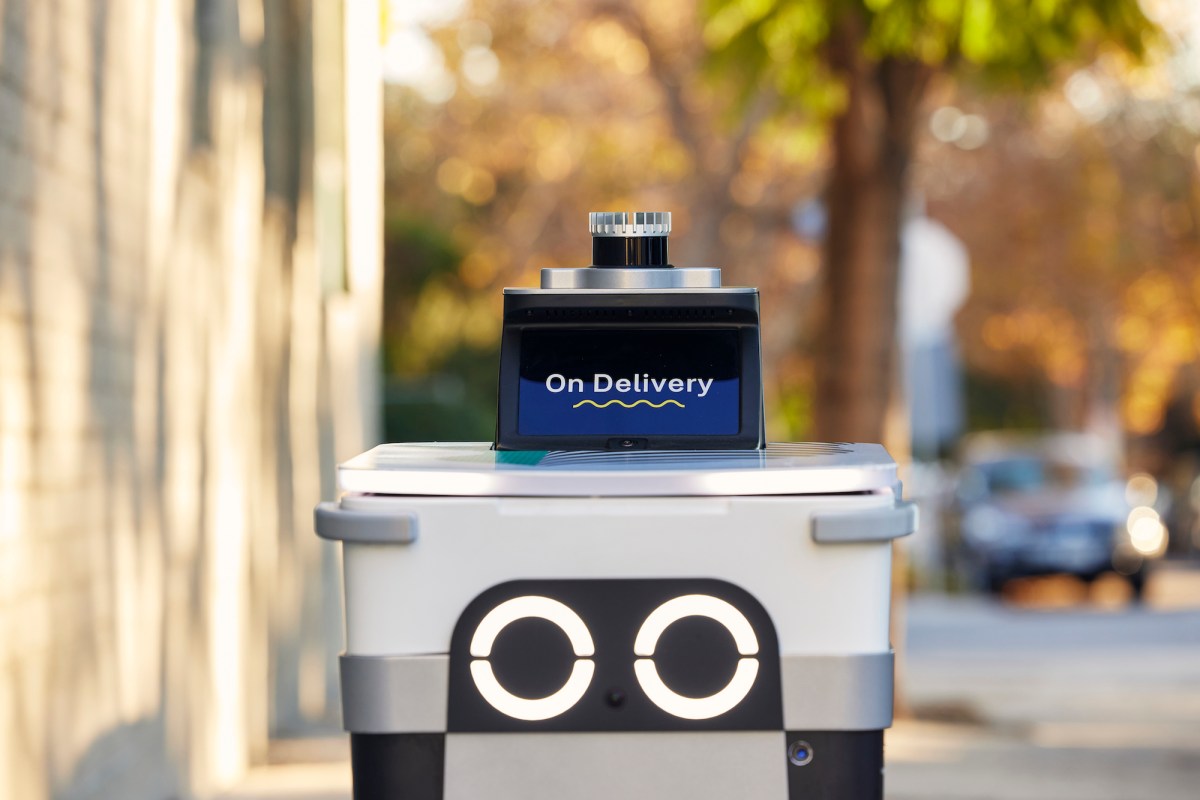
Serve Robotics is expanding its technological footprint beyond sidewalk delivery. Alongside its third-quarter earnings report, the company announced the launch of a brand-new business unit designed to provide essential infrastructure for other autonomous vehicle and robotics developers.
The new division, dubbed Physical AI Services, aims to position Serve as a foundational platform provider—effectively functioning as the Amazon Web Services (AWS) equivalent for the robotics industry by sharing its core operational and data tools.
Launching Physical AI Services
During its third-quarter financial reveal, Serve Robotics detailed the strategic creation of Physical AI Services. Rather than keeping its proprietary development ecosystem strictly internal, the company decided to commercialize its underlying infrastructure. This move opens up new revenue streams by packaging the technology that powers its own autonomous delivery sidewalk robots for outside entities.
The newly formed business unit focuses on supplying external customers with critical components needed to deploy and manage autonomous machines at scale.
Offering Connectivity and Data Tools
The core objective of Physical AI Services is to tackle the heavy technical burdens faced by robotics developers. Through this new offering, Serve will grant clients access to specialized tools, including:
- Advanced connectivity frameworks to maintain constant communication with deployed fleets.
- Robust data collection and management pipelines essential for training artificial intelligence models.
- Operational software designed to streamline navigation, monitoring, and fleet oversight.
By leveraging Serve’s established ecosystem, other robotics and autonomous vehicle creators can bypass the expensive, time-consuming process of building their own foundational back-end networks from scratch.
Broader Industry Impact
Serve Robotics' pivot toward becoming a platform provider marks a significant shift in its business model. By sharing the technical architecture that supports its delivery operations, the company is positioning itself as an essential utility layer for the broader autonomous hardware market, potentially accelerating the deployment of next-generation physical AI applications across various sectors.
