
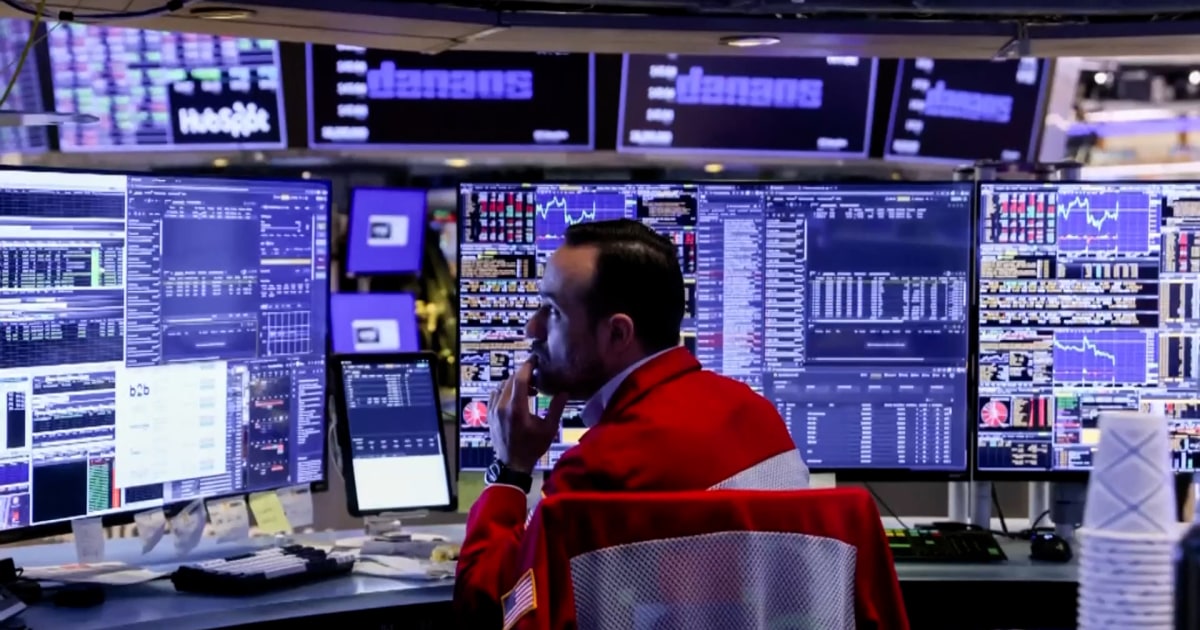
Market Indices Hit Correction Territory
The market decline reached a critical threshold as both the S&P 500 and the Dow Jones Industrial Average entered correction territory, defined as a decline of 10% from recent peaks. On Thursday, November 20, the Dow tumbled 1,101 points—a 2.2% drop—to close at 49,097, marking its first finish below the 50,000 level since June. The S&P 500 followed suit with a 2% decline, while the tech-heavy Nasdaq Composite fell 2.3%.
The pressure continued into the following session, with the Nasdaq erasing its gains for the entire year. By Friday, the S&P 500 was on track for its seventh consecutive day of losses, representing its longest losing streak since the onset of the COVID-19 pandemic in 2020. The sell-off was comprehensive, with more than 90% of stocks within the S&P 500 experiencing declines.
The AI Trade Under Scrutiny
Analysts point to a confluence of factors driving the market rout, with the artificial intelligence sector serving as a primary focal point for investor anxiety. While AI spending has been a major engine for market growth throughout 2026, concerns have intensified regarding whether this heavy investment will translate into sustainable corporate profits.
The sentiment shift has impacted major industry players. Anthropic, a prominent name in the AI space, saw its stock decline in after-hours trading, failing to provide the market stability some had hoped for during its recent debut. These industry-wide jitters have also been compounded by broader economic concerns, including persistent inflation rates that have remained higher than anticipated, complicating the outlook for future interest rate adjustments.
Broad Economic Headwinds
The market downturn was not limited to the technology sector. Retail and consumer-facing companies also struggled as investors reacted to mixed quarterly earnings reports. Williams-Sonoma, for instance, saw its shares drop 15.3% after reporting revenue that fell short of Wall Street forecasts. Even companies that outperformed expectations, such as Walmart, faced downward pressure, with the retail giant’s stock slipping 1.2% despite beating profit and revenue estimates.
Global markets have mirrored this instability. Asian equities experienced a sell-off that extended to a seventh straight session, pushing the MSCI Asia Pacific index toward its lowest close since April. Similarly, European markets saw significant slides, with the French CAC 40 and the German DAX both recording notable losses. As the market navigates this period of correction, the combination of AI skepticism and macroeconomic uncertainty continues to weigh heavily on investor confidence.
