
U.S. financial markets faced a sharp sell-off as investors pulled back from the critical technology sector, dragging down major stock indices. Disappointing corporate reports and rising anxiety over the financial returns of artificial intelligence investments weighed heavily on Wall Street sentiment.
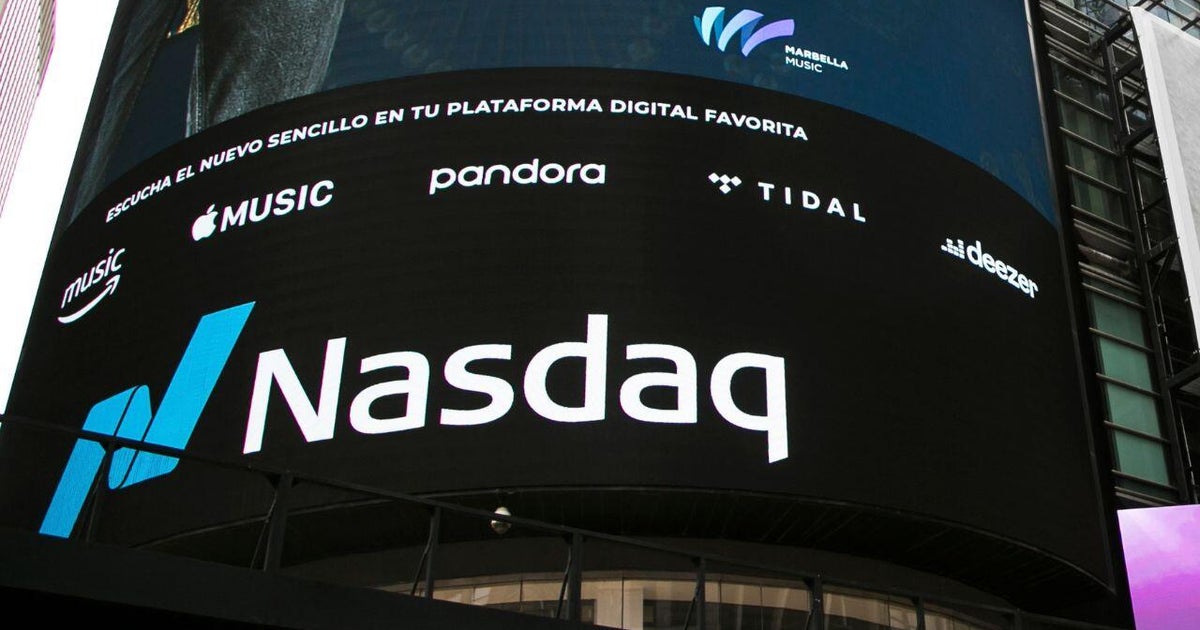
The tech-heavy Nasdaq Composite Index suffered a steep loss, tumbling more than 970 points, or 3.7%, during afternoon trading. The negative momentum also rippled across other major benchmarks, pulling the broader market lower as concerns mounted over sector fundamentals and financing costs.
Broad Market Declines and Major Tech Losses
The downward pressure extended far beyond the Nasdaq, impacting the entire market landscape. The S&P 500 shed 183 points, or 2.4%, while the blue-chip Dow Jones Industrial Average sank 746 points, or 1.4%.
Individual tech giants bore the brunt of the heavy selling pressure:
- Alphabet: Google's parent company continued to wobble after its Class A stock slid more than 12%, marking its worst single-day performance since going public in 2004 and erasing roughly $500 billion in market value.
- Intel: Shares plunged by more than 30% following underwhelming financial results.
- Nvidia: The advanced chipmaker and key artificial intelligence bellwether saw its stock drop by 5%.
Adam Crisafulli, head of Vital Knowledge, described the stretch as "one of the worst tech earnings seasons in memory," noting in a research note that the slump could hinder companies' ability to raise incremental debt and equity.
Artificial Intelligence Spending and Interest Rate Pressures
The weaker-than-expected updates heightened Wall Street anxiety regarding whether massive capital expenditures on AI data centers will generate the expected payoff. Analysts pointed out that elevated spending combined with rising financing costs are complicating the path to profitability.
Compounding these concerns are expectations that the Federal Reserve may need to continue raising interest rates to curb persistent inflation. While the central bank kept its benchmark rate steady, many economists anticipate hikes starting as early as December and stretching into 2027, making it more expensive for corporations to borrow money for infrastructure projects.
Wider Financial Repercussions
The wave of caution prompted financial leaders to advise caution regarding single-stock concentration. Ulrike Hoffmann-Burchardi, CIO Americas and global head of equities for UBS' Chief Investment Office, recommended that clients diversify their equity portfolios beyond artificial intelligence.
Meanwhile, cryptocurrency markets also experienced turbulence. Bitcoin prices slid toward $77,000 from over $86,000 earlier in the month, following reports that hackers linked to North Korea stole more than $6 billion from Binance, the world's largest crypto exchange.
