
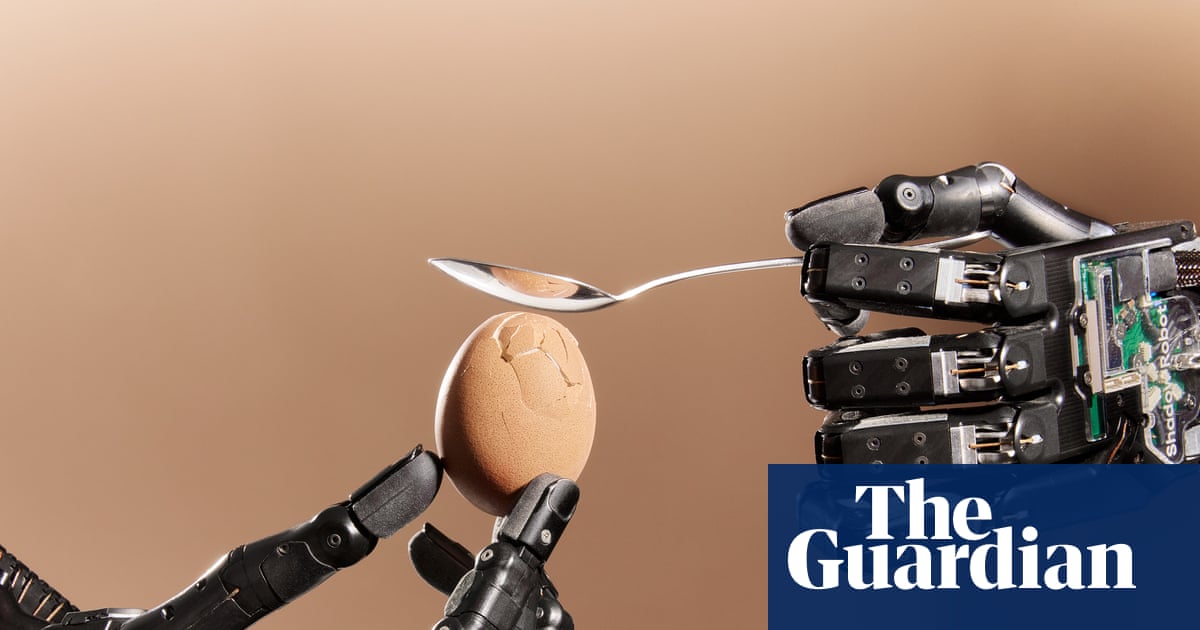
In modern fulfillment centers, such as those operated by Amazon, the current workflow relies on a precise division of labor. Computers dictate the logistics—directing workers to specific shelves and managing the flow of goods—while human employees provide the physical dexterity required to handle a diverse array of objects. This "symphony of people and technology" persists because, despite rapid advancements in artificial intelligence, the human hand remains an anatomical marvel that engineers have struggled for years to replicate.
The Final Frontier of Robotics
While humanoid robots, or "embodied AI," have made significant progress, they still struggle with the nuanced physical tasks that humans perform instinctively. Packing a shelf or handling varied items requires a level of dexterity that current hardware and software cannot match. The hand is the essential conduit between the brain and the world, functioning through a complex network of nerves and muscles that allows for sophisticated interaction with the environment.
The challenge of replicating this biological complexity is now a primary focus for global tech giants. Tesla has shifted its manufacturing focus toward the production of its Optimus humanoid robot, with Elon Musk identifying the "hands problem" as the critical hurdle to creating a truly generalized humanoid robot.
From Hobbyists to Industry Leaders
The race to solve this problem has evolved from academic and hobbyist pursuits into a high-stakes commercial market. The Shadow Robot Company, which began as a group of enthusiasts in the 1980s, serves as a case study in this transition. Initially focused on building a "robot butler," the company pivoted to developing specialized hands after realizing the immense cost and complexity involved in the field.
Rich Walker, director at Shadow, explains that the company now focuses on specific applications, ranging from nuclear decommissioning to medical technology and production lines. However, the landscape has become increasingly crowded. Where there were once only four or five companies developing robotic hands, Walker notes that a Chinese analyst firm recently reported a list of 110 firms globally. This surge in competition reflects a growing consensus among investors: once artificial dexterity is achieved, it will likely be integrated into everyday life as rapidly as large language models have been.
The Future of Human Labor
The implications of solving the "hands problem" extend far beyond warehouse efficiency. As companies like Amazon continue to prioritize machine efficiency, the successful development of dexterous robots could fundamentally alter the global labor market, potentially rendering many human-centric roles obsolete.
While the Shadow Robot Company maintains ethical boundaries—declining projects related to arms manufacturing or meat processing—the sheer volume of competitors suggests that the development of these technologies is accelerating regardless of individual corporate policies. As the gap between human and machine capability narrows, the world of work faces a transformation driven by the convergence of artificial intelligence and artificial dexterity.
