
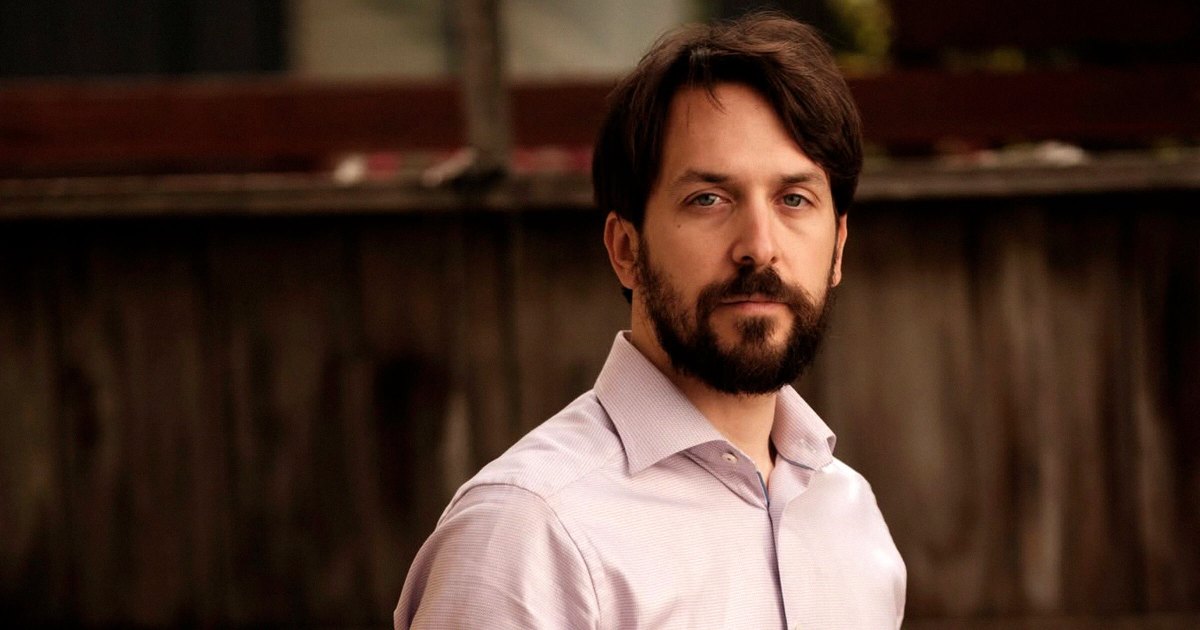
The discourse surrounding artificial intelligence has long been divided between those focused on immediate societal harms and those fixated on existential risks. Among the latter, Nate Soares, president of the Machine Intelligence Research Institute (MIRI), has taken a particularly stark stance. During a recent appearance on The Atlantic’s podcast, “The Most Interesting Thing in AI,” Soares revealed that his conviction regarding a potential AI-driven apocalypse is so profound that he has fundamentally altered his personal financial planning.
Soares, a prominent figure in the AI safety community and a close collaborator of researcher Eliezer Yudkowsky, disclosed that he has ceased contributing to his retirement savings. While he maintains a 401(k) account from his previous tenure at Google, he noted that he has not added to it for a decade, operating under the belief that the likelihood of humanity surviving the next ten years is less than 50 percent.
A Calculated Risk or Alarmist Rhetoric?
Soares’ decision to forgo long-term financial planning is rooted in his assessment of the trajectory of machine learning development. Despite his grim outlook, he maintains that the extinction of humanity is not a foregone conclusion. He emphasized that he remains actively involved in the field specifically to prevent such an outcome, stating that he does everything in his power to stop the scenario he fears.
However, his perspective is not without its detractors. Critics within the tech industry often point out that while Soares and his colleagues at MIRI have successfully leveraged their alarmist predictions to gain media attention, book deals, and access to policymakers, there is no scientific consensus that an AI-driven extinction event is a probable outcome. The "doomer" narrative, as some observers describe it, remains a polarizing topic that often clashes with more pragmatic approaches to AI governance.
The Tension Between Future Risks and Present Harms
The focus on hypothetical, long-term existential threats has sparked a broader debate about the allocation of attention and resources. Skeptics argue that by fixating on a distant, speculative apocalypse, researchers may be neglecting the tangible, immediate dangers posed by current AI systems.
The technology is already being linked to significant real-world issues, including:
- The use of AI in military applications that have resulted in civilian casualties.
- The proliferation of sophisticated scams targeting vulnerable populations.
- Documented instances where AI interactions have contributed to the mental health crises of users.
These critics suggest that focusing exclusively on the "superintelligence" of the future risks obscuring the damage being done by the algorithms currently in operation. For the average person, the advice remains grounded in traditional financial prudence: regardless of the long-term outlook for humanity, continuing to save for the future is generally considered the safer bet. As the saying goes, if the worst-case scenario does come to pass, the state of one's retirement account will be the least of anyone's concerns.
