
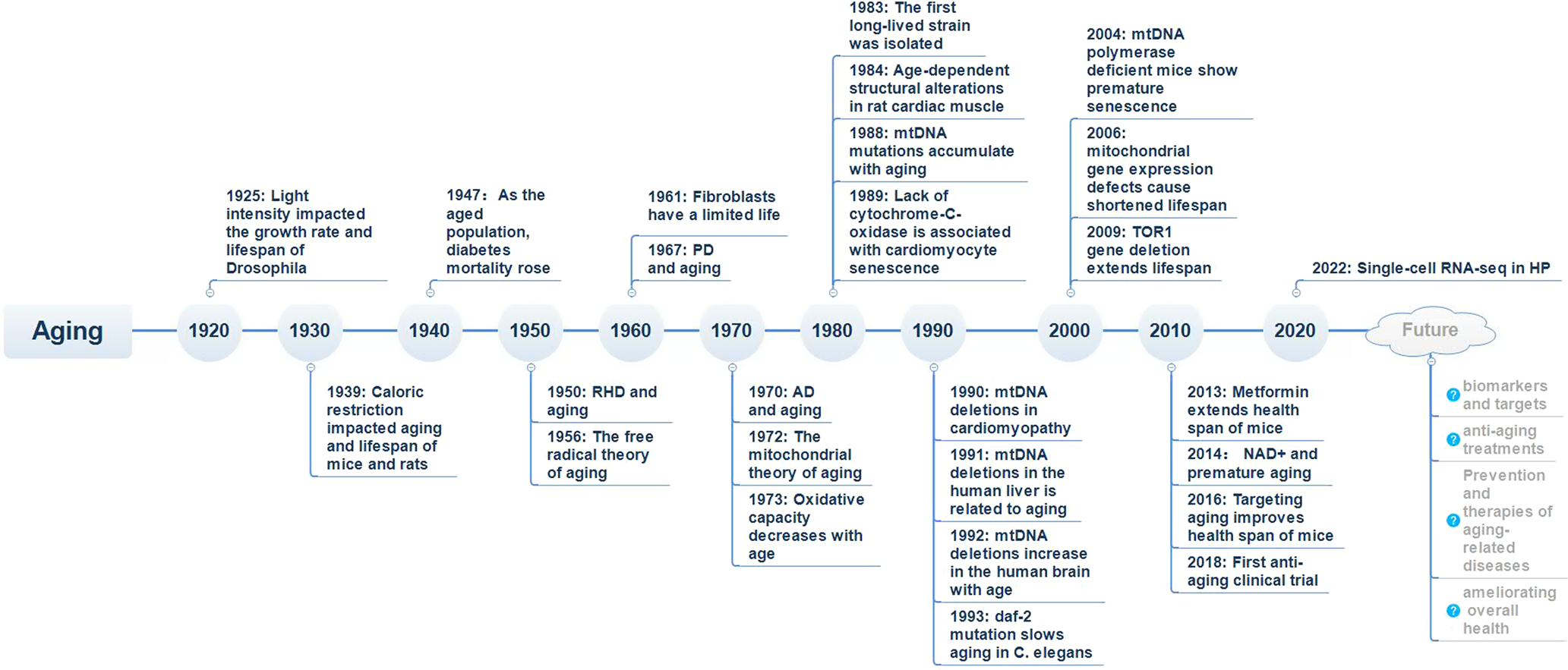
Understanding these fundamental biological pathways helps researchers identify potential therapeutic targets for age-related conditions. Modern aging research investigates how endogenous and exogenous stresses accumulate damage over time, leading to widespread cellular dysfunction.
Drivers of the Aging Process
The organismal aging process is influenced by several hallmark molecular and cellular mechanisms that impair normal tissue homeostasis. Over the decades, scientific studies have identified multiple primary drivers:
- Cellular Senescence: A gradual decline in the proliferation, differentiation, and physiological function of cells over time.
- Telomere Dysfunction: Shortening of telomeres and associated DNA damage that accelerates cellular aging.
- Mitochondrial Dysfunction: Impairments in cellular energy production and metabolic regulation.
- Loss of Proteostasis: The breakdown of cellular protein quality control networks.
- Stem Cell Exhaustion: The depletion and reduced regenerative capacity of adult stem cells.
The Role of Epigenetic Alterations
Epigenetics refers to changes in gene expression or cellular phenotype caused by mechanisms other than alterations to the underlying DNA sequence. Key epigenetic processes include DNA methylation, histone modifications, chromatin remodeling, and transcriptional alterations driven by noncoding RNAs.
During aging, patterns of DNA methylation undergo significant shifts known as epigenetic drift. Typically, DNA methylation decreases in regions containing heterochromatin repeats while hypermethylation occurs in promoter CpG regions. These predictable changes have allowed scientists to develop biological "epigenetic clocks" to measure biological age, estimate the rate of aging, and evaluate how lifestyle interventions or socioeconomic factors impact long-term health risks.
Therapeutic Outlook and Healthy Longevity
Because aging is one of the leading independent risk factors for most chronic diseases, uncovering the underlying pathogenic mechanisms opens new avenues for intervention. Therapeutic strategies currently explored to promote healthy aging and longevity include caloric restriction, targeted removal of senescent cells, stem cell therapies, anti-inflammatory treatments, and nutritional interventions.
By continuing to elucidate how biological clocks, genomic instability, and cellular stressors interact, researchers aim to develop clinical treatments that mitigate age-related diseases and improve healthspan in aging populations.
