
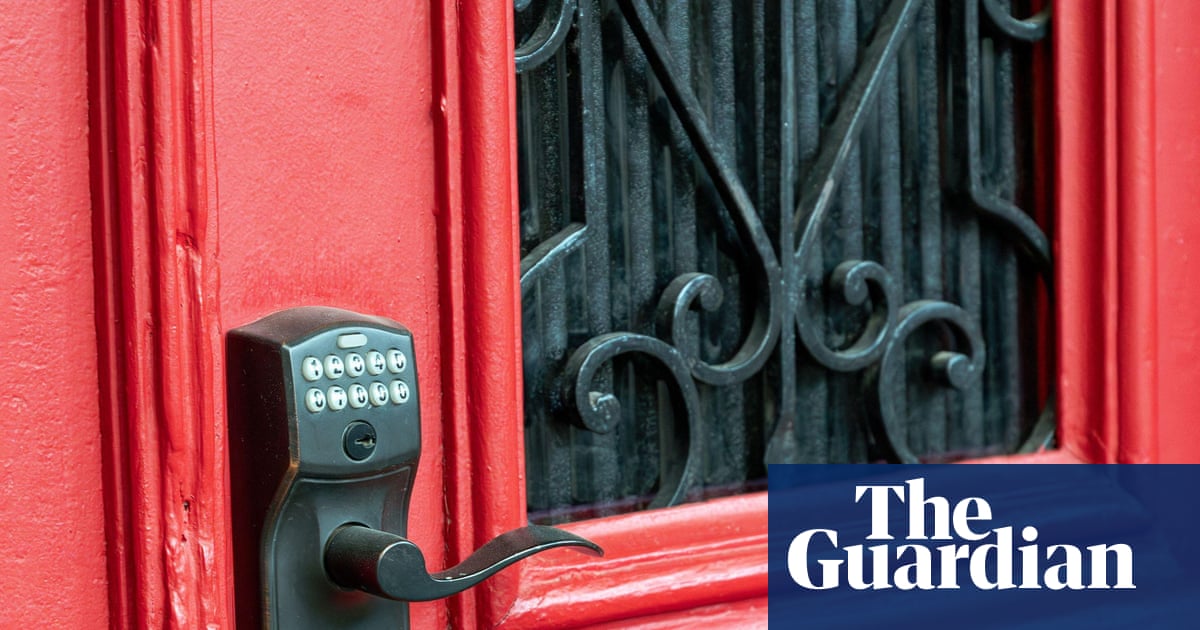
As the nights grow longer, many UK homeowners are looking to upgrade their home security with tech-enabled, keyless entry systems. These smart locks allow access via smartphones, fingerprints, fobs, or numeric keypads, and some even offer remote access, enabling homeowners to grant entry to tradespeople from anywhere in the world.
Understanding the Different Types of Smart Locks
Smart locks vary significantly in their design and installation requirements. Before purchasing, it is important to identify which category fits your current door setup:
- Integrated Handles: These units replace your existing door handle entirely, combining the smart technology and the handle into one piece of hardware.
- Retrofit Units: These devices sit on top of your existing lock on the inside of the door. They feature a motorized unit that physically turns your current lock when activated.
- Electronic Cylinders: This method involves replacing your existing mechanical lock cylinder with an electronic version that unlocks upon authentication.
Compatibility and Installation Considerations
One of the most critical steps in the buying process is ensuring the lock is compatible with your specific door material. As noted by experts, there is no one-size-fits-all solution for doors. For a lock to be compliant, it must be fitted properly; if it is not installed correctly, you could leave yourself open to problems. Manufacturers often provide online compatibility checkers or allow customers to seek expert advice on which models will work for their specific setup.
Security Standards and Insurance Implications
Before finalizing a purchase, homeowners must verify that their chosen lock meets the security requirements of their home insurance policy. The Association of British Insurers (ABI) advises policyholders to check the terms of their policy before making any changes. According to Charlie Inwood, a general insurance policy adviser, some home insurers have specific requirements for the type of lock you use to protect your home, and your provider will be able to advise you. Your insurer may also require that the lock is put in by a professional to ensure it remains compliant.
Longevity and Maintenance
Prospective buyers should be aware that smart locks require careful consideration regarding their installation. Because there is no one-size-fits-all solution, professional advice is essential to ensure the lock is fitted correctly. An improper installation could compromise both the security of your home and your insurance coverage, making it vital to consult with professionals before proceeding with a smart lock upgrade.
